How Do You Modernize an Aging Commercial Exterior With Custom Aluminum?
Modernize an aging commercial exterior by hanging a measured aluminum envelope, not by painting the old render. LINDELACR CNC-perforates and folds 2.0–3.0 mm 3003-H14, welds the frames in Foshan, then coats PVDF to AAMA 2605 at ≥ 30 μm. The old slab keeps the load it can carry; the new face is the cassette.
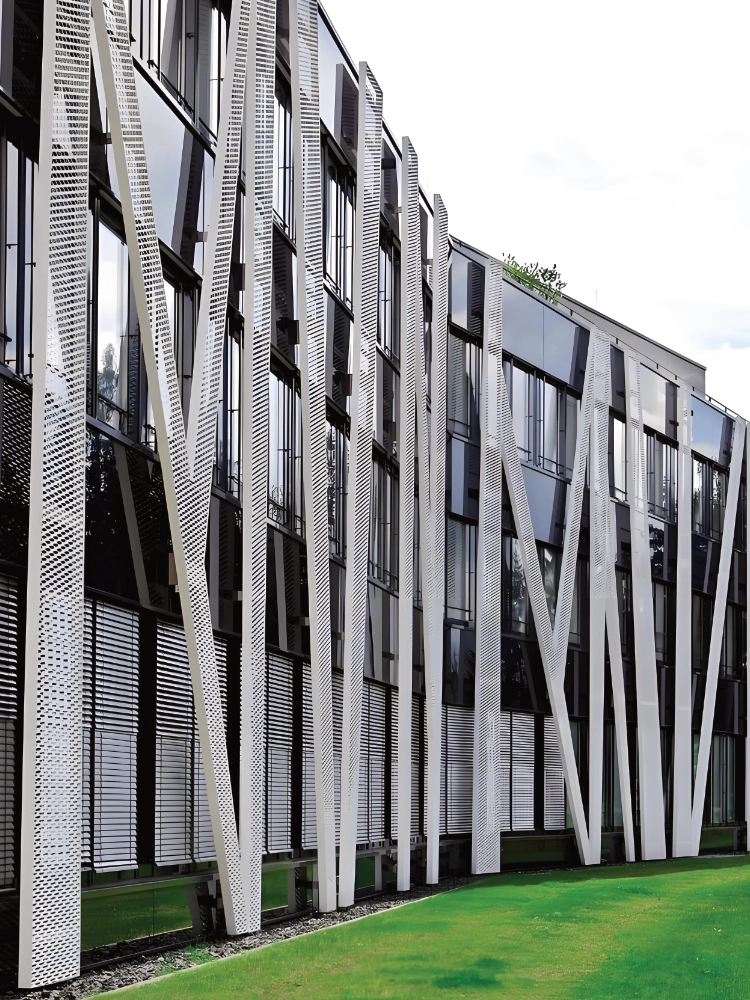
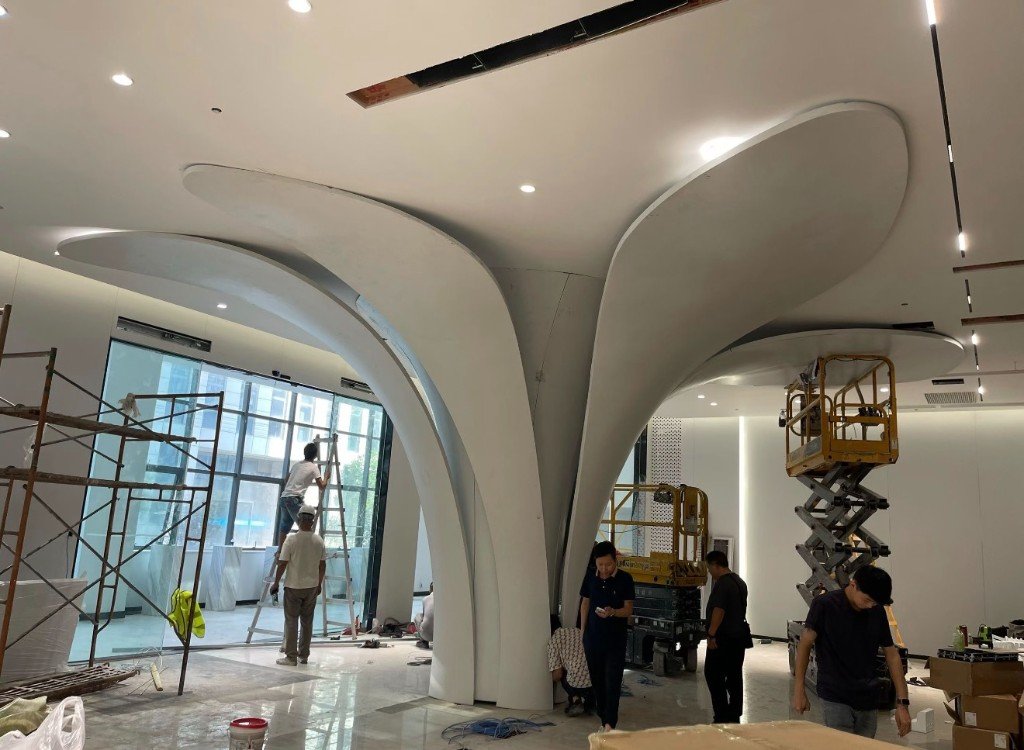
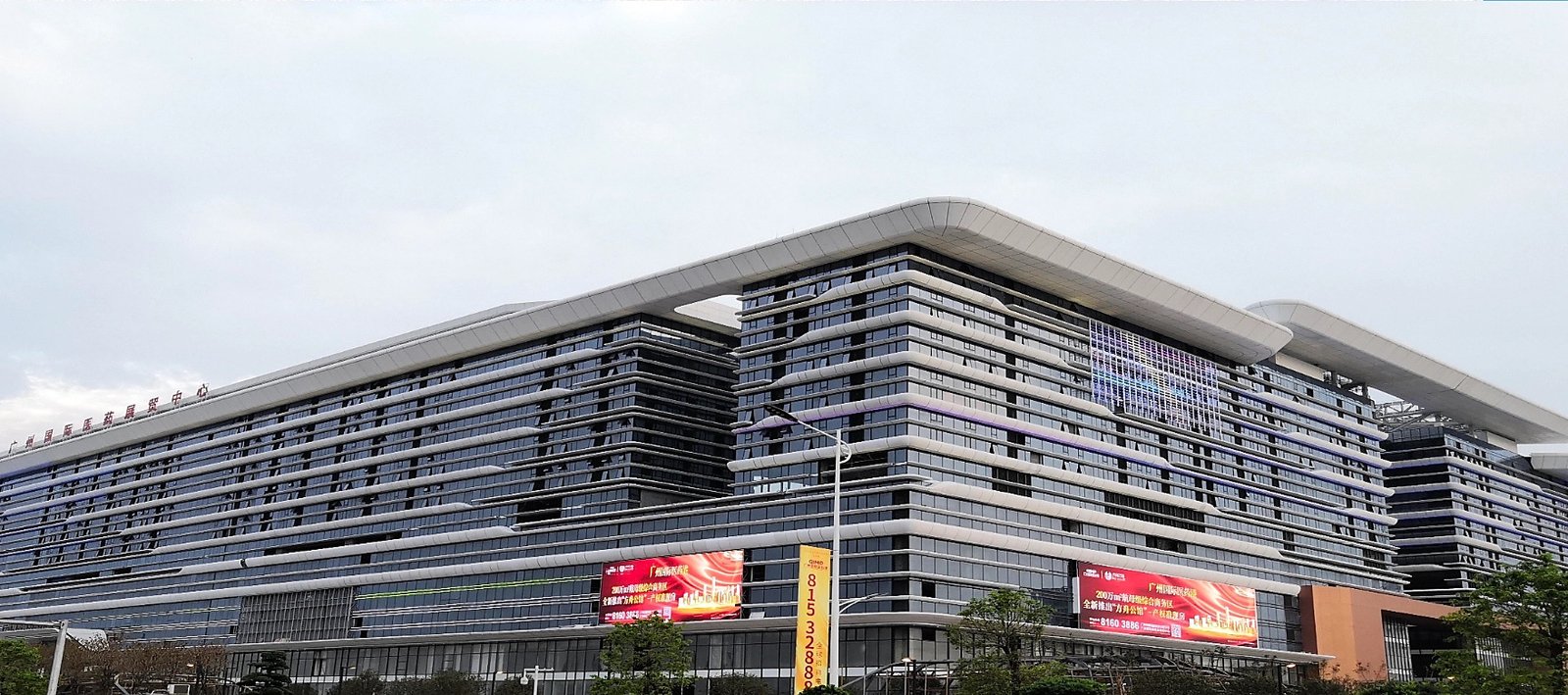
This is the face you are buying: custom white perforated fins over a commercial glass wall. The hole field is a CNC nest. The fins are folded plate, not a stick-on screen. An aging office or mall that still wears tile, stone, or faded ACP does not get that elevation from a paint crew. The old render can stay as a backup plane only if the new hangers never load it as structure.
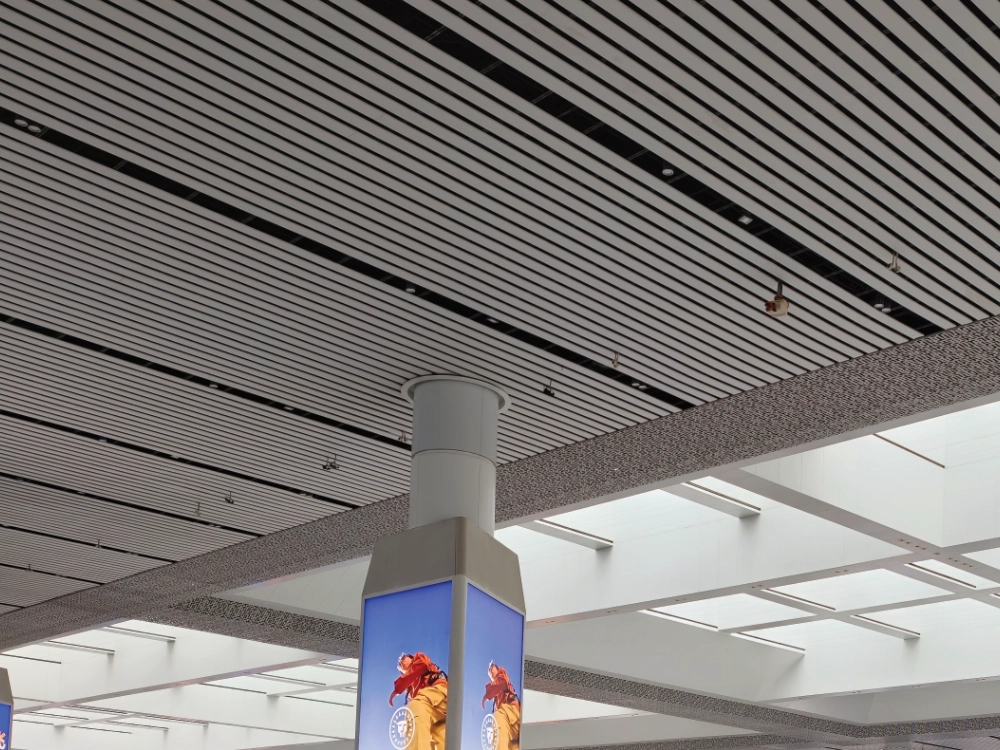
LINDELACR treats the reclad as a customized-for-you ticket: survey or scan the as-built, lock a hanger, nest 3003-H14, fold a typical 20–25 mm return, one PVDF lot. Plant area is 20,000 m². Zhaoqing Southern Power Grid used perforated solid aluminum on a working elevation—the same coil logic, a different hole field. GIMEEC Health Ark used shaped 3.0 mm PVDF on a public hall soffit. Neither job is a catalog texture glued over live services. Do not invent a kPa or an energy-saving percentage for a photo.
Paint patch vs a solid aluminum reclad
| Item | Paint / ACP patch | Solid aluminum reclad |
|---|---|---|
| Face | 0.5 mm ACP skins or a new paint film | 3003-H14 solid plate, typically 2.0–3.0 mm |
| How it hangs | Glue or a light rail on the old render | Shop-welded frames or cassettes on designed hangers |
| Holes / fins | Site-cut, edges rust or peel | CNC nest in Foshan; one powder or PVDF lot |
| Coating | Field paint | PVDF AAMA 2605 ≥ 30 μm outdoors; powder AAMA 2604 inside |
| Load on the old slab | Stone or thick render adds dead load | Thin aluminum cassette; wind by panel + 20–25 mm return |
| As-built | Tape and a faded elevation | Scan or survey, then a unique unfold |
Exterior cassettes stay 2.0–3.0 mm. Interior linings can drop to 0.6–0.8 mm. Alloy 3003-H14 is the formed-return default; 1100 is for flatter, drier faces. PVDF to AAMA 2605 at ≥ 30 μm is the weather coat. Powder to AAMA 2604 stays inside. Wind is calculated on the panel and the folded edge.
What a commercial reclad actually is
Perforated plate, not a site-drilled skin
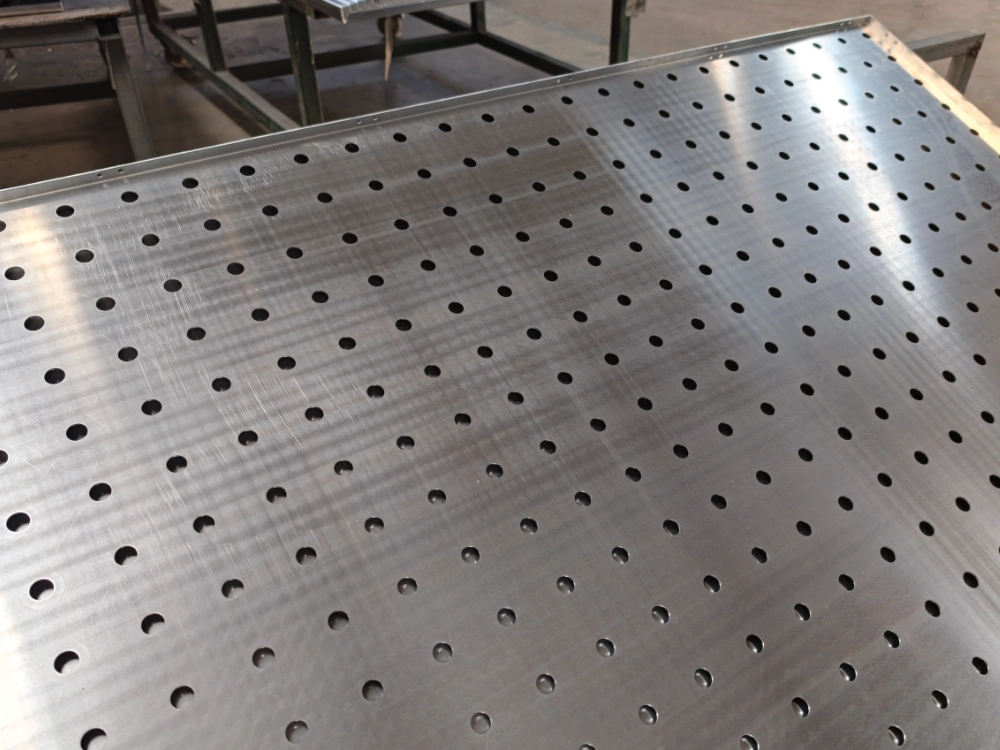
This mill-finish sheet is LINDELACR shop stock: regular holes, a folded long-edge return, no paint yet. That is the flat metal panel before it becomes a fin or a cassette. Holes are nested with the unfold so perforation does not walk across a joint. A 0.5 mm ACP skin cannot hold that return after the first clash.
On an aging wall the perforation is also the weight cut. You remove stone or thick render and hang a 2.0–3.0 mm tray. Open area is a number on the shop drawing, not a texture name. If the drawing wants a solid bay next to a perforated bay, both leaves leave Foshan in one coating lot so the afternoon sun does not split the hue.
Shop-welded frames that share the nest
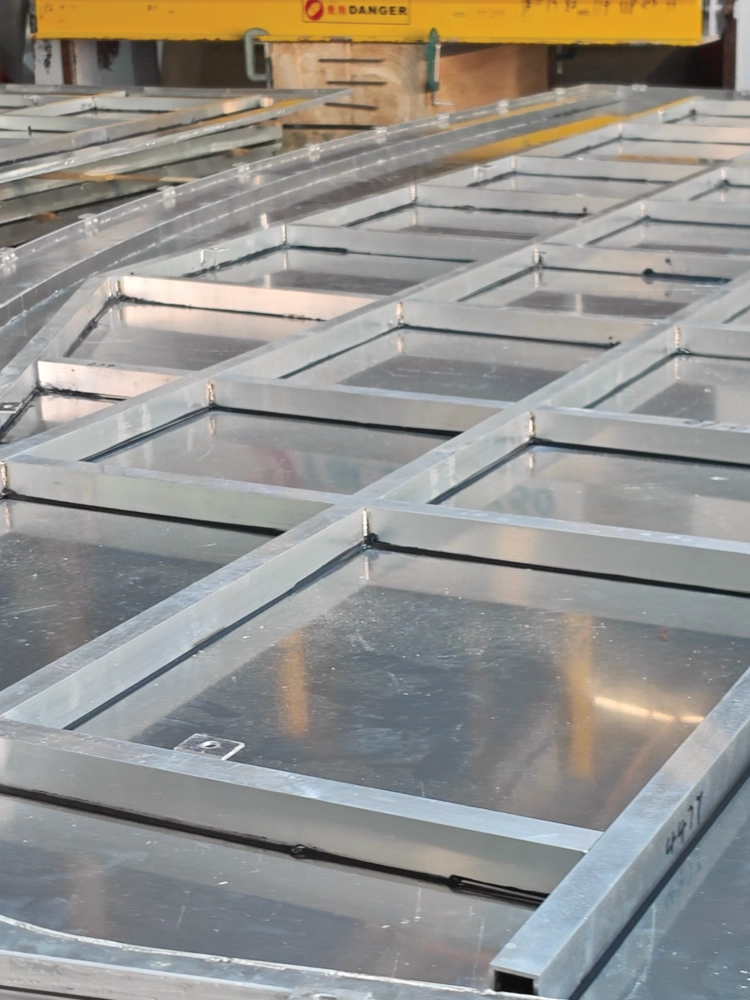
These are shop-welded aluminum frames on the Foshan floor: grid bars, sheet infill, a batch mark on the rail. They are not a rusty site mullion. The cassette that sits in this grid is cut from the same ticket. If you buy frames from one vendor and trays from another, the first as-built bow becomes a grinder, not a new nest.
On an old commercial frame LINDELACR either hangs these as an independent over-clad or designs hangers to the existing steel. That choice is made after the survey, not from a catalog photo of a new office.
Hang light aluminum on the frame you already have
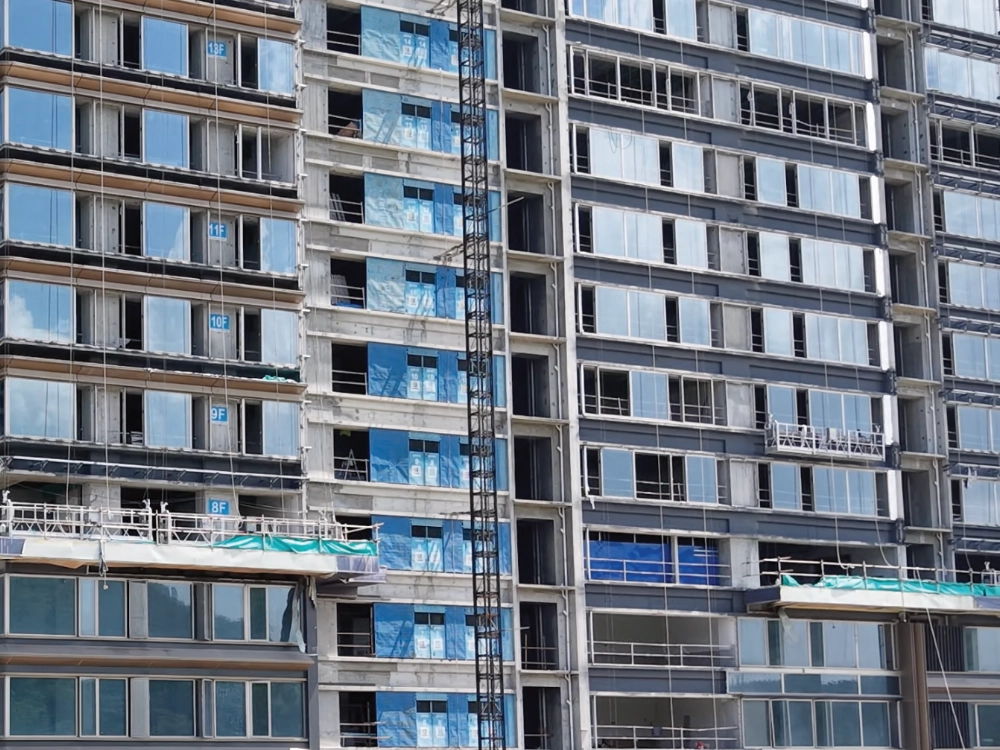
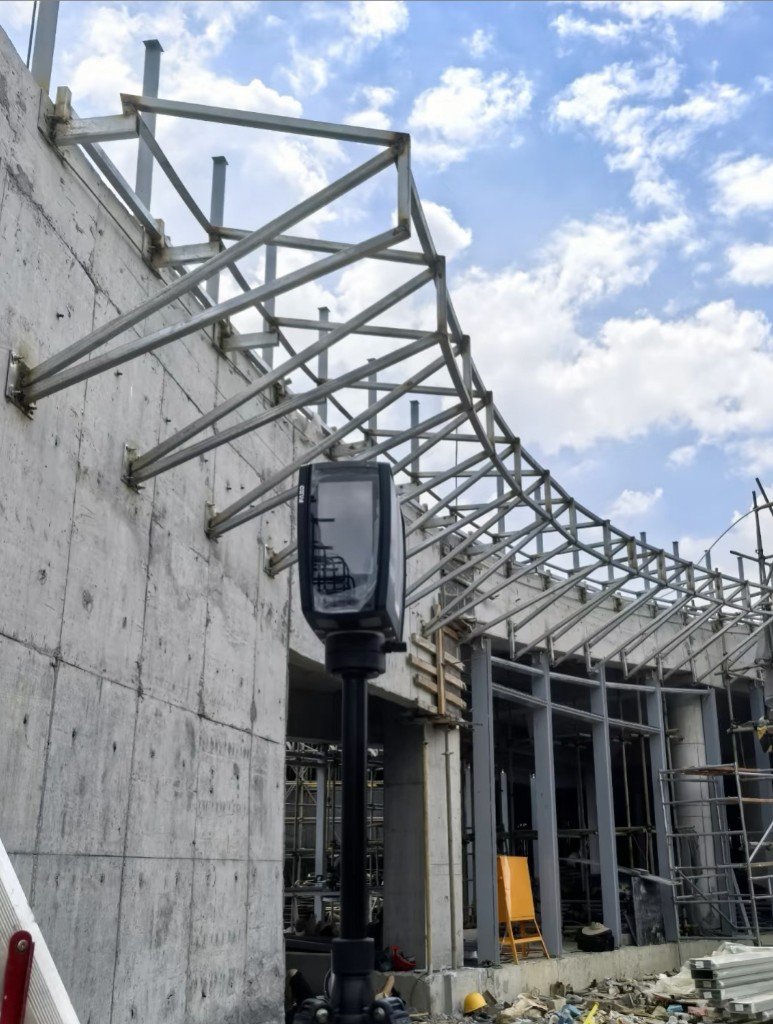
This is a concrete frame taking aluminum and glass—protective film still on the openings, dark metal already on the next bay. It is a new tower, not a 1980s reclad. The load lesson is the same: a 2.0–3.0 mm cassette is why you do not pour a new foundation to change the face.
An aging commercial slab gets the same hang, after the as-built is measured. Do not field-trim a PVDF face to hide a 20 mm miss. Send the clash back to Foshan and replace the tray.
Frequently asked questions
Can you hang new aluminum on an old commercial frame?
Yes if the as-built is measured and the hangers are designed to that frame. LINDELACR folds 2.0–3.0 mm 3003-H14 cassettes so the extra load stays on the aluminum, not on a thick stone or ACP patch. Wind is sized from panel and return, not a slogan kPa.
What belongs on the face of a commercial reclad?
Solid or perforated 3003-H14, typically 2.0–3.0 mm outdoors. Perforation is a CNC nest, not a site drill. Exposed faces take PVDF to AAMA 2605, dry film ≥ 30 μm, one lot across a sightline.
Do the frames have to be built in the same plant as the cassettes?
They should. Shop-welded aluminum frames and the trays that sit in them share one unfold. If the frame is bought separately, the first as-built clash is a site cut, not a new nest from Foshan.
Is aluminum light enough for a concrete frame that is still open?
A 2.0–3.0 mm cassette is why over-cladding does not need a new foundation. The same load logic applies on a new concrete frame and on an aging slab: hang the light tray, do not rebuild the wall as stone.
Send the as-built, not a finish name
Mark the bays that must read as one plane. LINDELACR will return an alloy, a thickness, a PVDF class, and a 1:1 hanger from Foshan. If the wall is still only a paint quote, keep coil off the PO.