Exterior aluminum veneer is 2.0–3.0 mm solid 3003-H14, not an ACP skin. LINDELACR writes 3.0 mm PVDF to AAMA 2605 on custom-shaped mall, hospital, airport, and curtain-wall faces, and 3.0 mm weather-resistant powder where a stadium or airport soffit stays out of fluorocarbon. Thickness is plate plus return, read on the shop drawing.
Google’s last seven days on lindelacr.com clustered one family: 3.0 mm PVDF-coated custom shaped aluminum veneer, then the same plate for shopping mall, hospital, curtain wall, plus powder-coated shaped aluminum veneer for stadium and airport. Those are specification queries, not brand searches. The page that answers them has to name millimetres, coating class, and a fold—not “premium thickness.”
Thickness by plane, from the last seven days of queries
LINDELACR does not publish a fake kPa next to every cassette. Wind follows remaining plate, return depth, and the bay. What the plant will put on paper is the table below. Alloy stays 3003-H14 on exterior; 1100 only on simple low-wind interiors.
| Plane (7-day query) | Plate | Coating | LINDELACR default |
|---|---|---|---|
| Typical exterior flat / curtain wall | 2.5 mm (2.0 mm only if the bay is small and the return is honest) | PVDF AAMA 2605, ≥ 30 μm | Repeating brake cassette, 20–25 mm return |
| 3.0 mm PVDF-coated custom shaped aluminum veneer | 3.0 mm | PVDF AAMA 2605 | Unique CNC nest; compound or large-format fold |
| PVDF coated custom shaped aluminum veneer for shopping mall | 3.0 mm | PVDF AAMA 2605 | Canopy / crown / soffit as one lot |
| PVDF-coated aluminum veneer for hospital | 3.0 mm | PVDF AAMA 2605 | Hygiene-cleanable face; no site-cut edges |
| PVDF coated shaped aluminum veneer for curtain wall | 2.5–3.0 mm | PVDF AAMA 2605 | 3.0 mm on feature and corner trays |
| Powder coated aluminum veneer for stadium / airport | 3.0 mm | Powder AAMA 2604 if soffit/shelter; PVDF if open envelope | Weather-resistant powder is not a substitute for fluorocarbon on a wet wall |
A customized-for-you ticket freezes that split before CNC. Mixing 2.0 mm flats and 3.0 mm shaped blanks on one elevation is allowed only when the drawing names two families.
How the plant reads thickness (not the coil sticker)
Plate edge, return, and the corner bracket
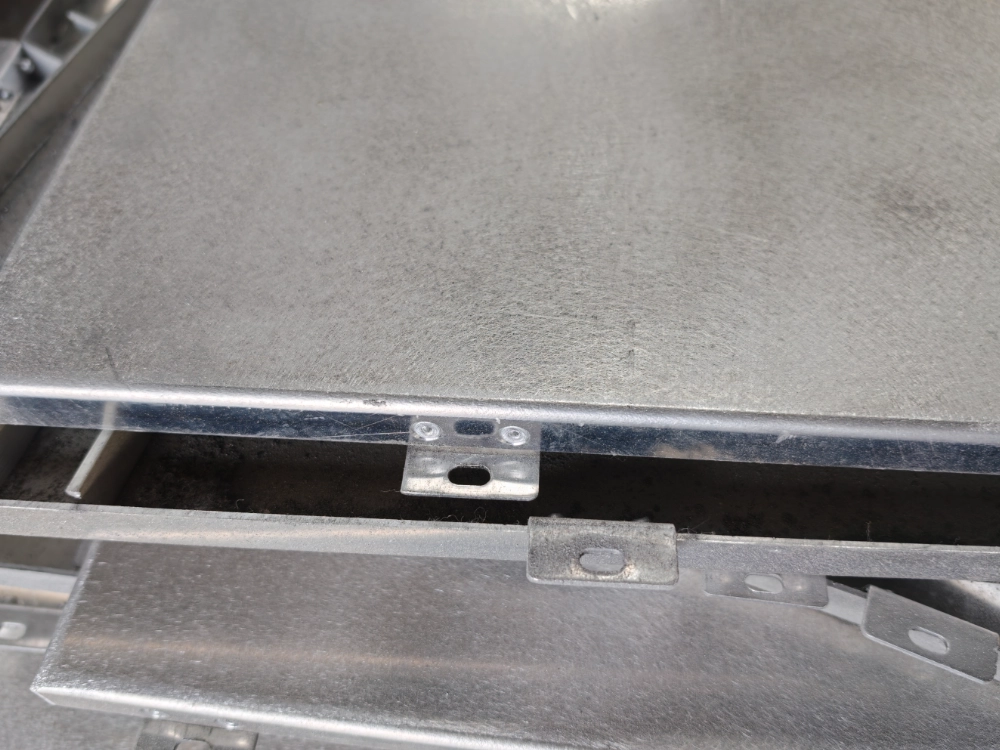
The mill-finish cassette on the Foshan floor is the measurement that matters. You see the plate edge, the folded return, and the corner brackets that set hanging depth. A 3.0 mm face with a 12 mm return is a weaker tray than a 2.5 mm face with a 25 mm return. LINDELACR writes both numbers on the shop drawing. Buyers who only search “3.0mm pvdf-coated aluminum veneer” still have to send the return, or the plant will assume 20–25 mm and price the fold, not a flat sheet.
2.0–2.5 mm repeating curtain-wall flats
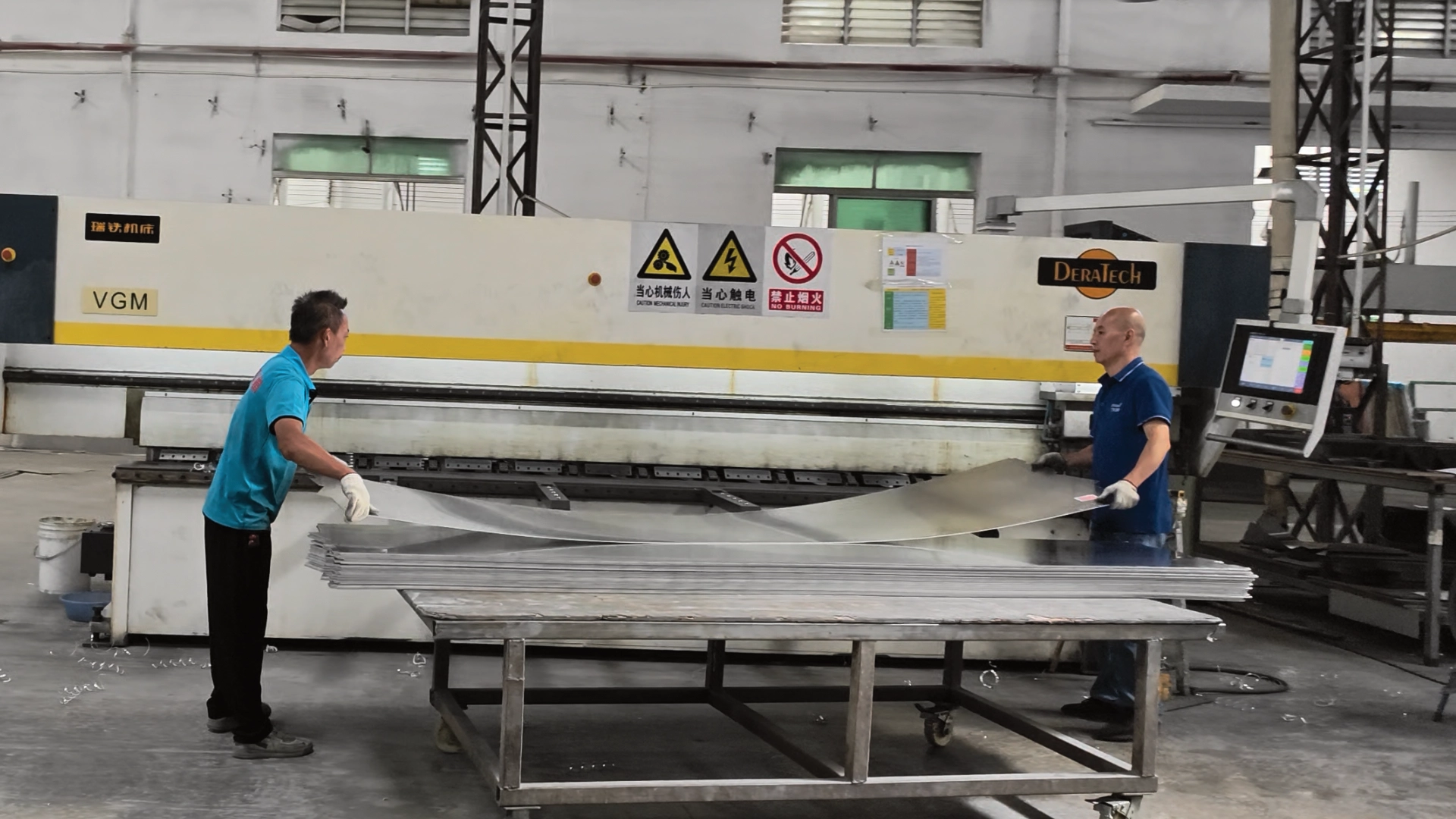
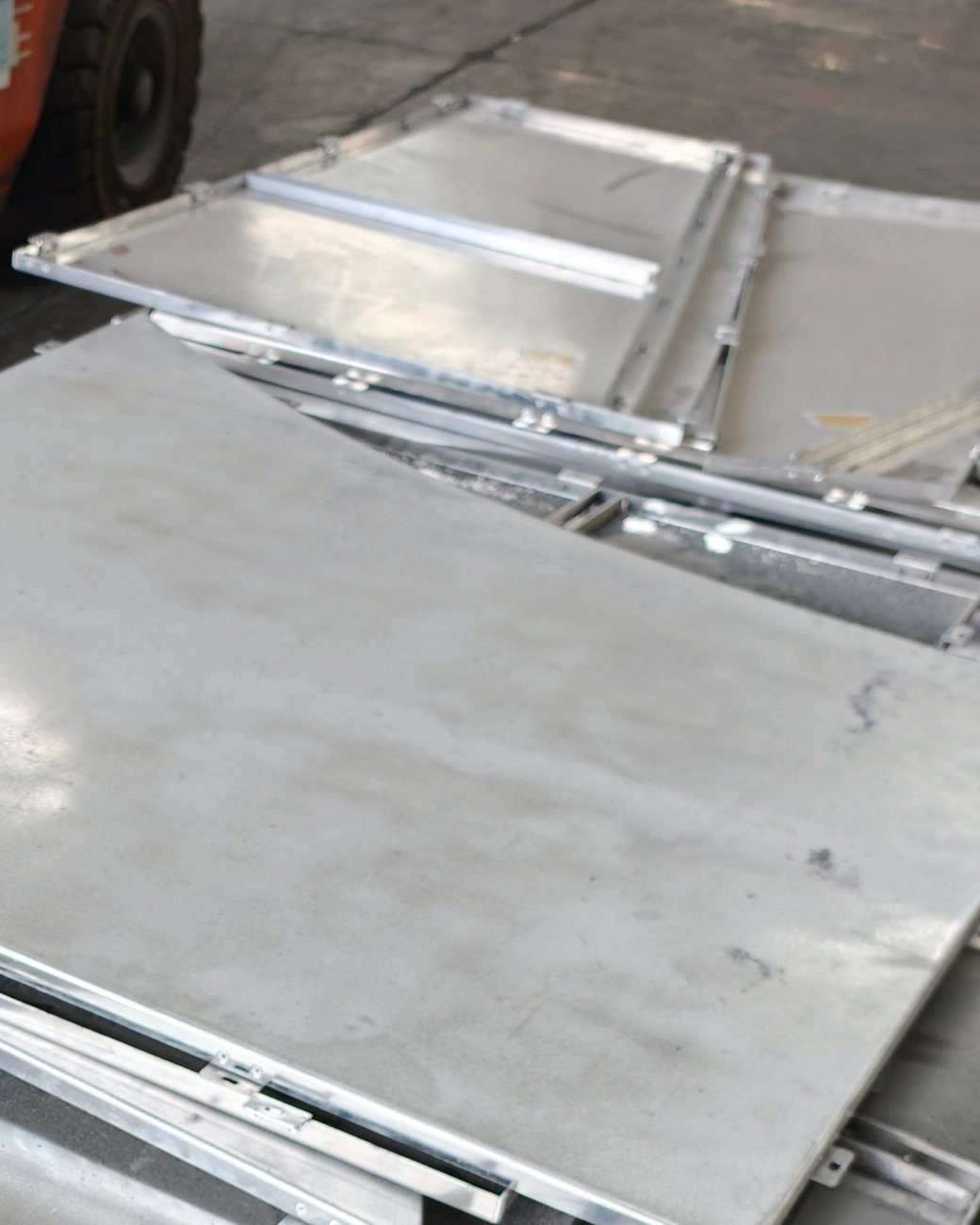
Operators feeding 3003 sheet into the DeraTech brake are making the repeating family: one unfold, one program, length after that. 2.0 mm is for small, sheltered, or interior-adjacent bays. 2.5 mm is the default exterior flat. Oil-canning in a wide curtain-wall module is a thickness-and-return problem, not a paint problem. After the brake, numbered trays stack with returns and hanging brackets already on—the photo of stacked mill-finish cassettes is that stack.
3.0 mm PVDF custom shaped: mall, hospital, curtain-wall feature
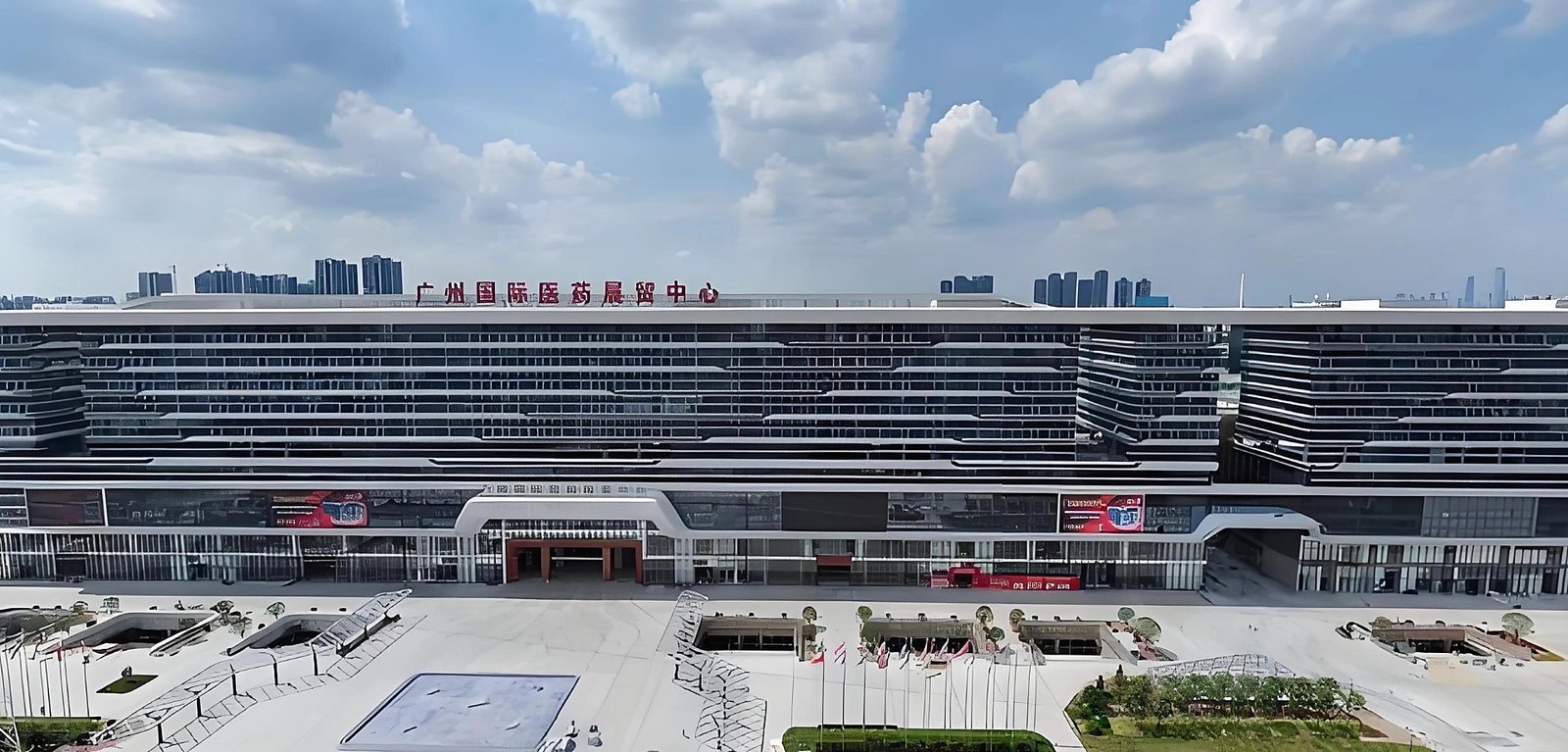
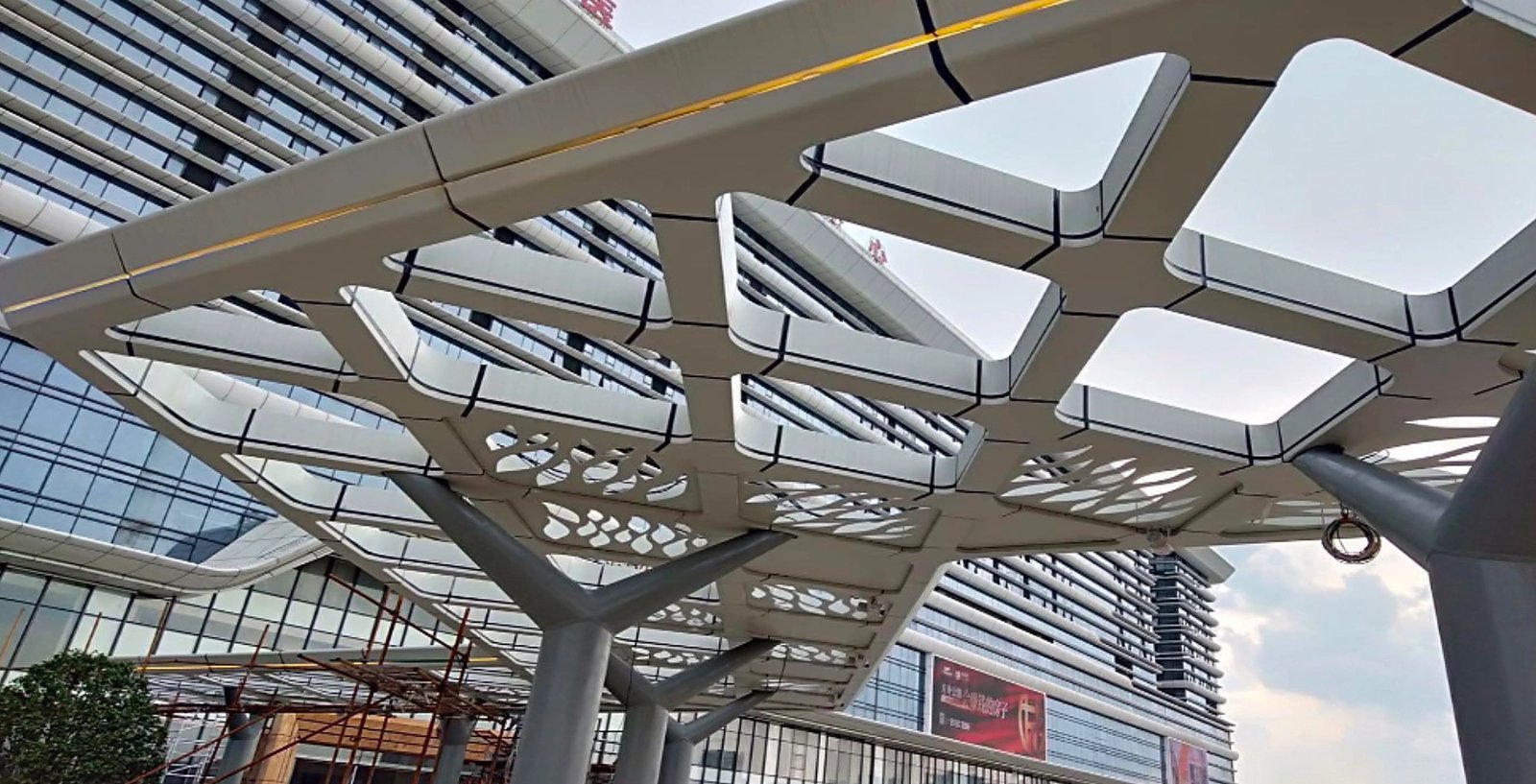
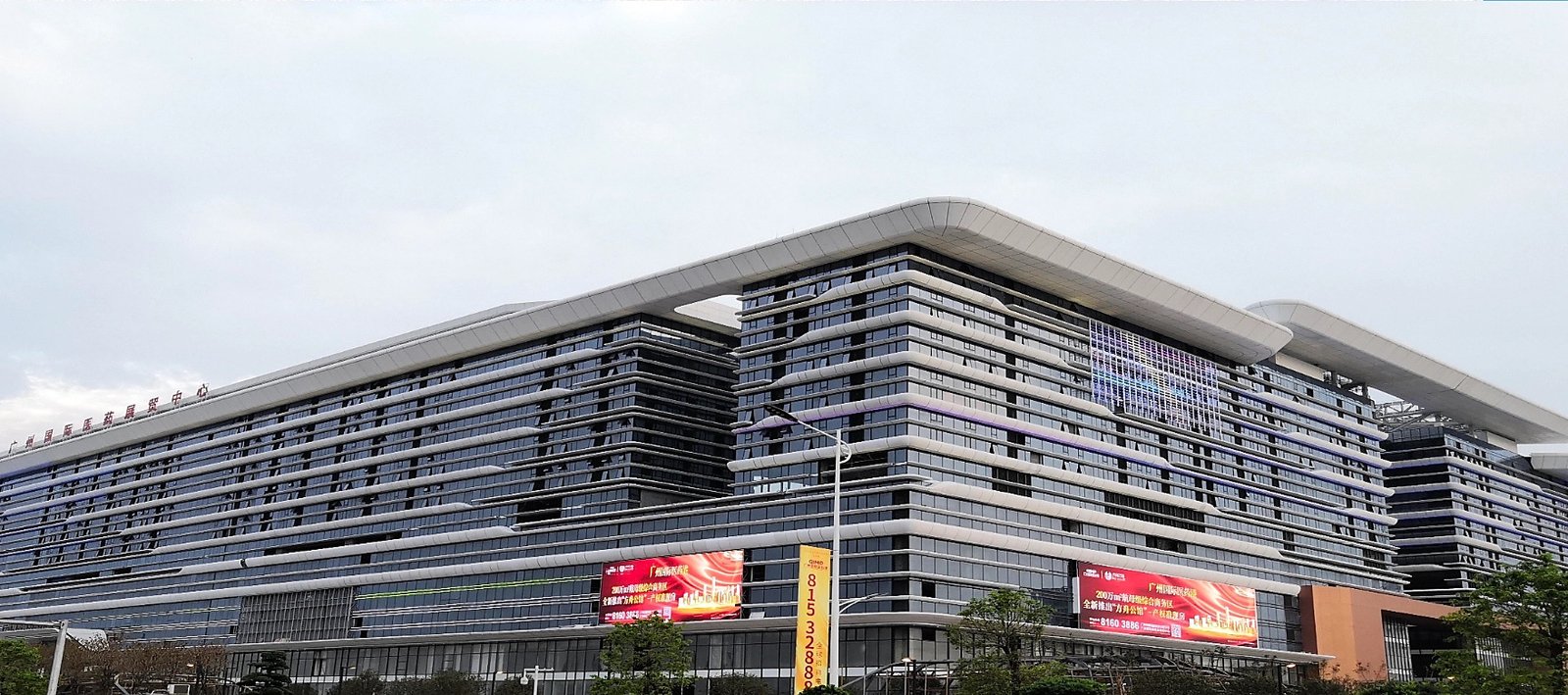
When the query is “3.0mm pvdf-coated custom shaped aluminum veneer” or “for shopping mall,” the blank is no longer a repeating flat. Guangzhou International Medical Exhibition Center (Health Ark) is the named envelope: a hospital-class pod, long PVDF planes, a cantilevered crown. LINDELACR-scale work on that building is 3.0 mm class plate, one coating lot, factory edges—no site-sawed returns on a medical facade. The same 3.0 mm PVDF line applies to a mall canopy and to shaped curtain-wall corners that a 2.5 mm flat cannot hold.
Shaped faces that are hyperbolic panels still use 2.0–3.0 mm 3003-H14; the extra cost is the unique CNC nest, not a mystery alloy. Unique petals and repeating flats can share colour only when they share the PVDF lot, dry film ≥ 30 μm to AAMA 2605.
3.0 mm powder: stadium and airport soffits
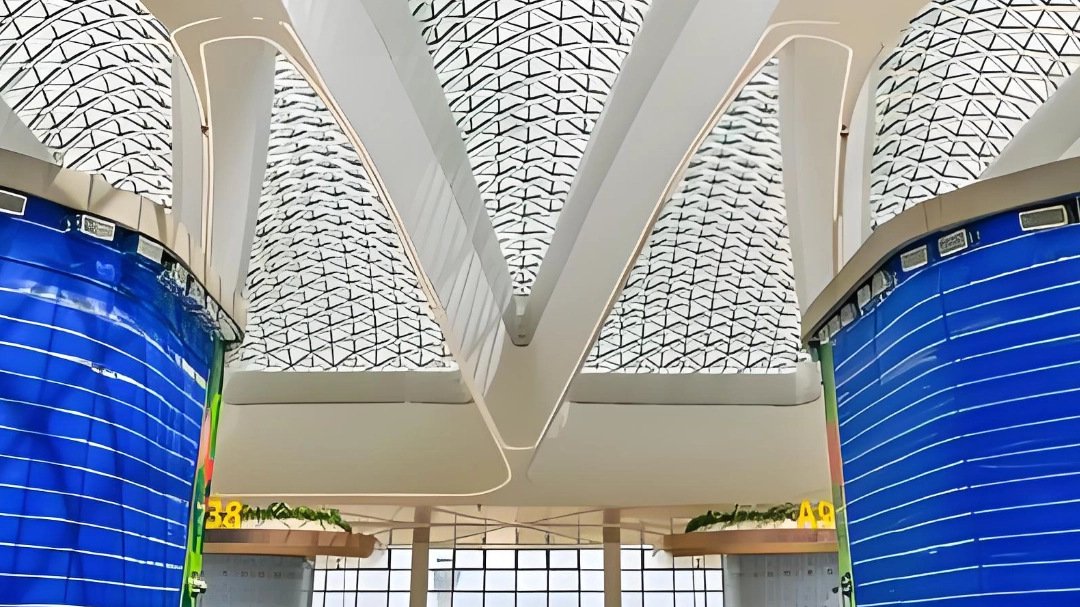
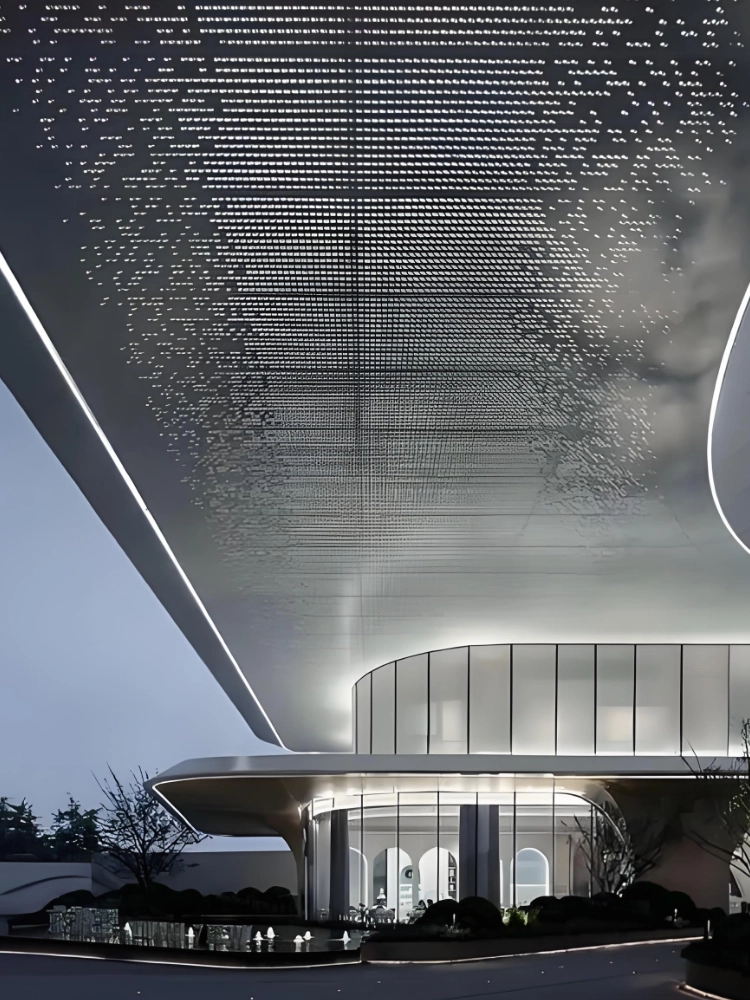
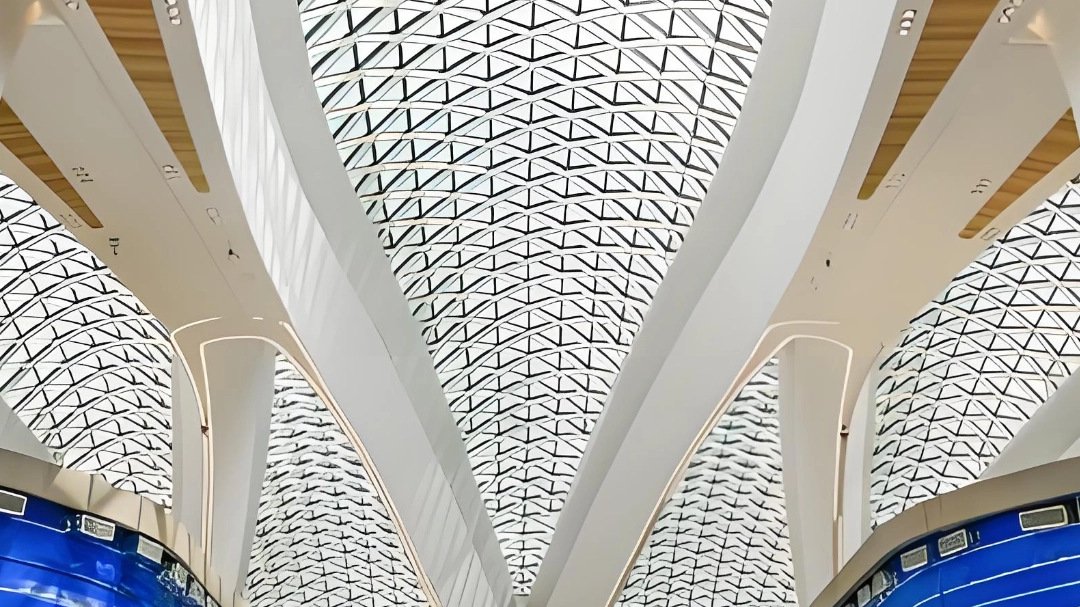
Airport T3 column covers and the triangular soffit are the airport query in metal: shaped aluminum, lights in the void, a powder or PVDF decision by zone. Powder coated aluminum veneer for stadium and airport is a 3.0 mm weather-resistant powder ticket when the surface is a soffit or a sheltered soffit plane. Open curtain wall on the same campus stays PVDF. Do not write one coating for the whole terminal because the renderer used one grey.
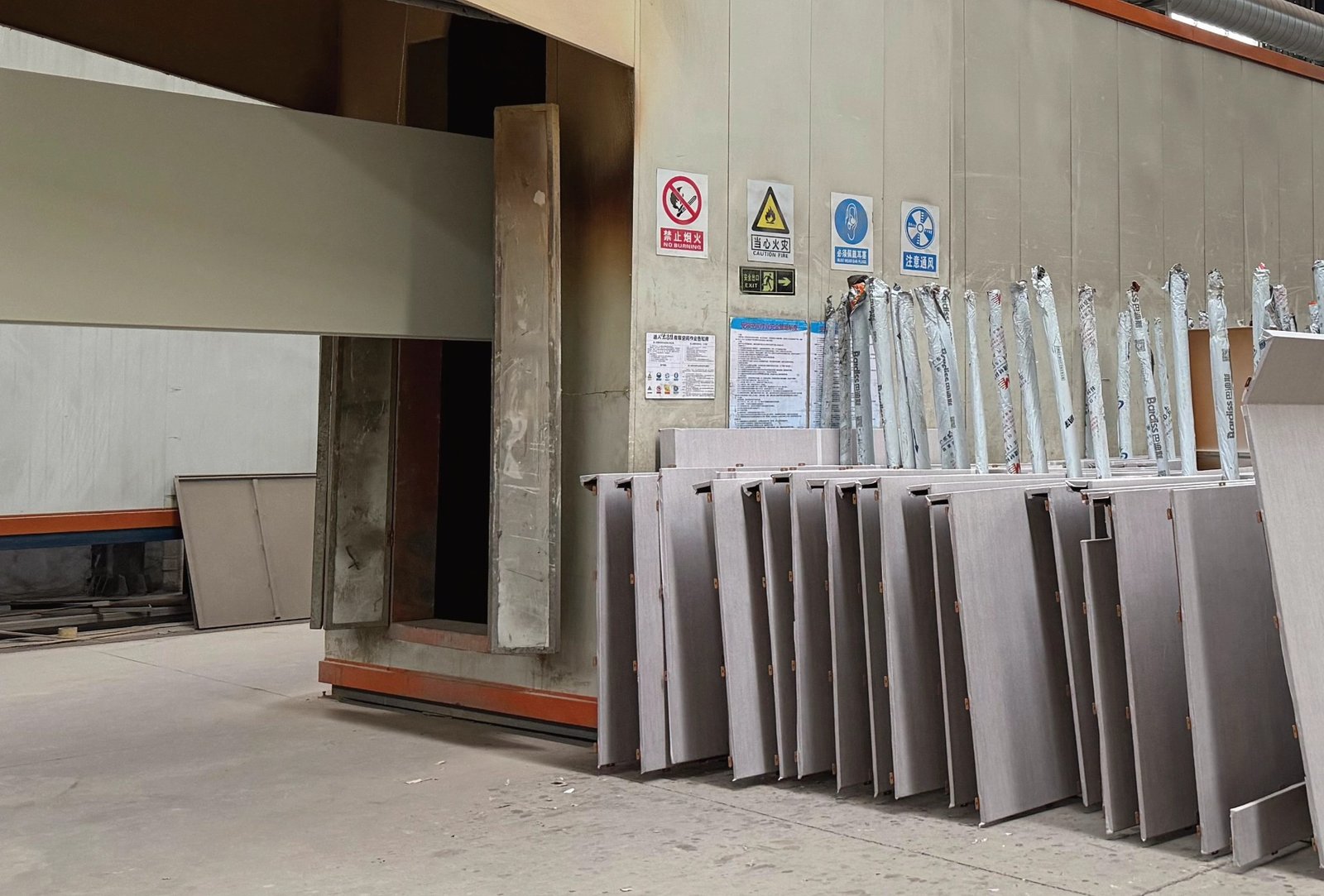
The Foshan PVDF line is where 3.0 mm weather-resistant exterior sets wait as one lot. Powder AAMA 2604 and PVDF AAMA 2605 are different ovens and different warranties. Thickness does not convert a powder soffit into a fluorocarbon wall.
Factory sequence tied to the brake photo
Scan or RCP → CAD unfold → CNC nest → brake (the DeraTech bed) → corner brackets → one PVDF or powder lot → crate by zone. That is how a 7-day query becomes a hangable cassette. LINDELACR will not invent a wind-pressure stamp to win the row. Send the elevation, which faces are shaped, mall/hospital/airport/stadium use, and a chip. The plant returns 2.0, 2.5, or 3.0 mm plus the return.
Frequently asked questions
What is the standard thickness of aluminum veneer for exterior walls?
LINDELACR specifies 2.0–3.0 mm solid 3003-H14, not ACP 0.5 mm skins. Typical curtain-wall flats sit at 2.5 mm. Write 3.0 mm where the face is custom-shaped, PVDF-coated, or a mall, hospital, airport, or curtain-wall plane that must keep its return after wind and weather.
When do you specify 3.0 mm PVDF-coated custom shaped aluminum veneer?
When the elevation is a compound or large-format cassette that must hold a 20–25 mm return after CNC and brake, and the coating is PVDF to AAMA 2605, dry film ≥ 30 μm. Shopping mall canopies, hospital pods, and curtain-wall feature bays are the 7-day queries that map to this ticket—not a 2.0 mm interior tray.
Is 3.0 mm powder-coated shaped aluminum veneer enough for a stadium or airport?
Powder at AAMA 2604 is a sheltered or soffit class. LINDELACR will run 3.0 mm weather-resistant powder on stadium and airport soffits when the brief is not fluorocarbon. Open curtain wall, mall crown, and hospital envelope stay PVDF AAMA 2605 on the same 3.0 mm plate. Thickness and coating are two lines on the shop drawing.
Does a thinner panel always cost less on a curtain wall?
Not if the return has to grow, or if every unique shaped blank needs its own CNC nest. A 2.0 mm flat that oil-cans in the bay costs more in callbacks than a 2.5–3.0 mm cassette that hangs once. LINDELACR quotes plate plus fold from the RCP, not a coil sticker.
Send the elevation. Get a 2.0 / 2.5 / 3.0 mm split from Foshan.
If the spec still says “aluminum veneer” with no millimetre, send the model and mark mall, hospital, airport, stadium, and curtain-wall faces. LINDELACR returns plate thickness, return depth, PVDF or powder, and a 1:1 coated sample from the 20,000 m² plant.