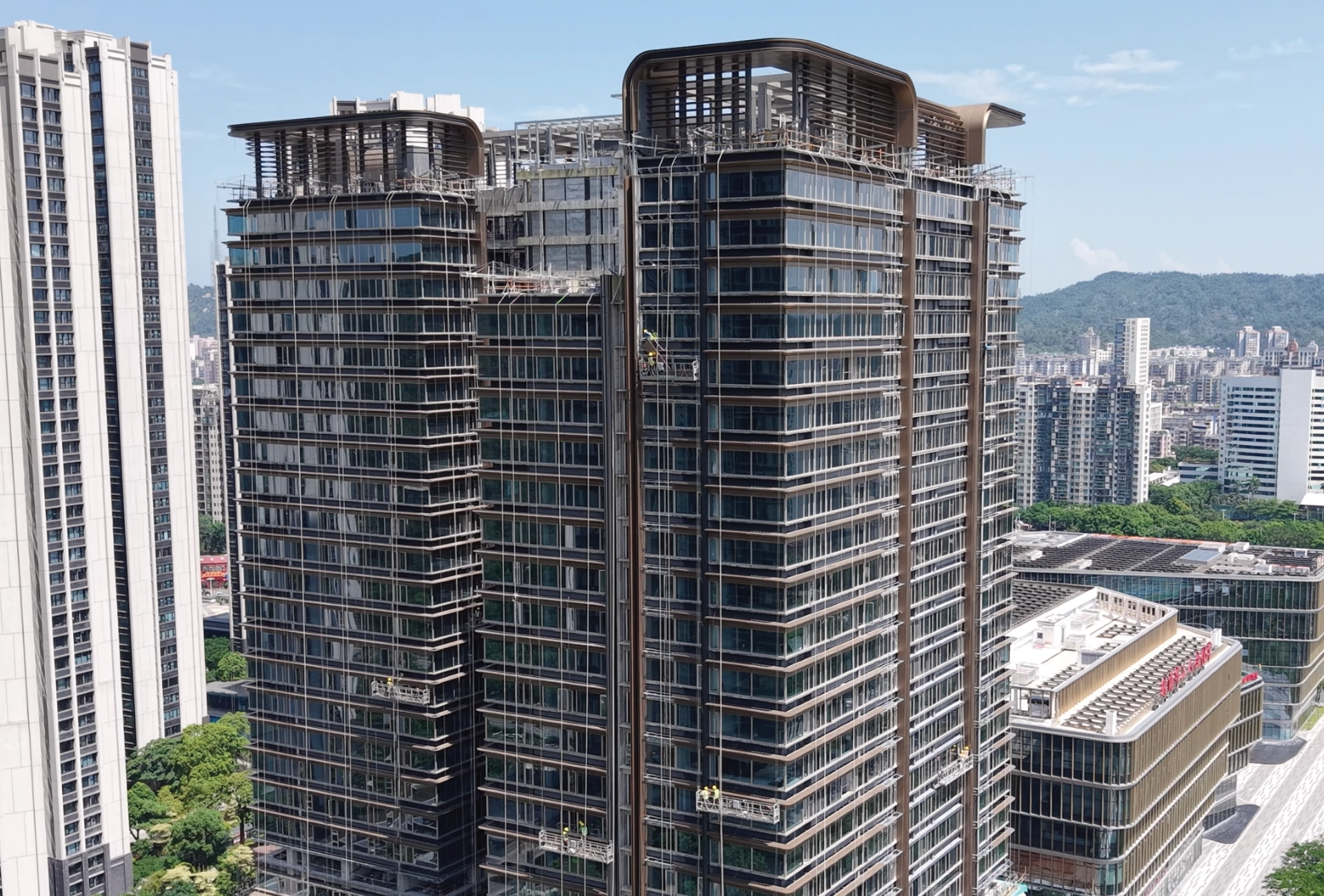
What Should You Specify on a High-Traffic Acoustic Ceiling Tile?
A high-traffic acoustic ceiling tile is specified by the gauge, the edge, and whether one module comes down. A catalog NRC is not that spec. LINDELACR does not publish an NRC. Indoor aluminum is 0.6–0.8 mm, with a return of 20–25 mm and powder to AAMA 2604.
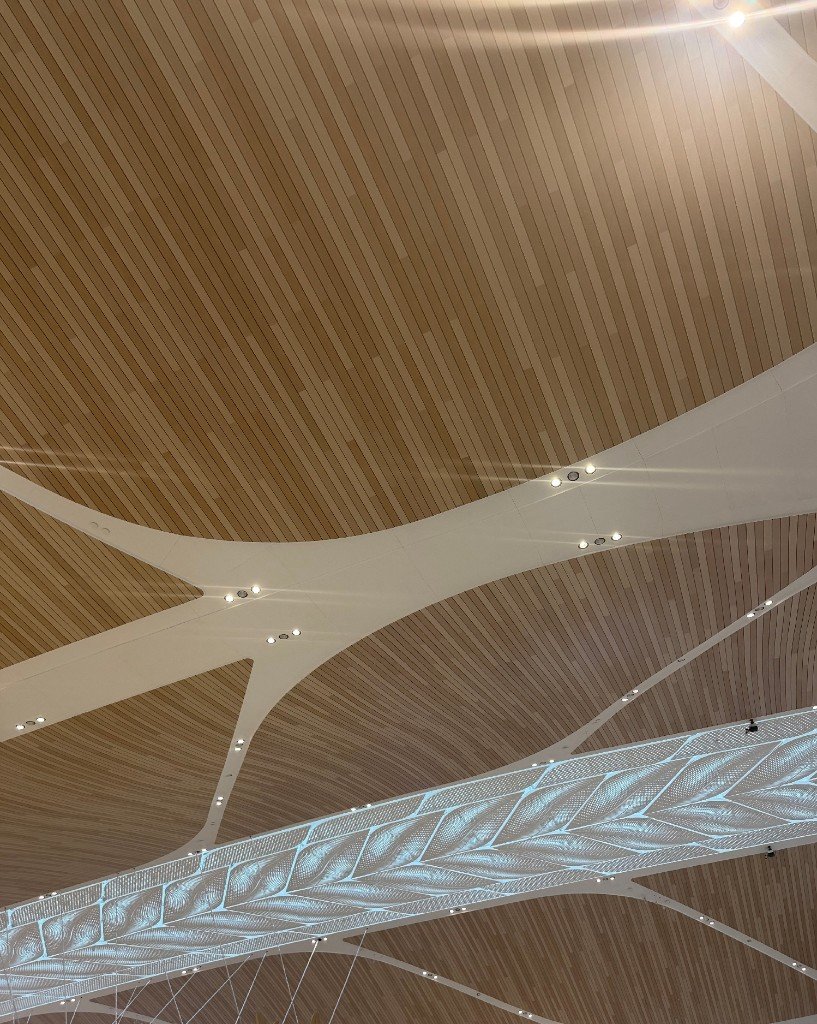
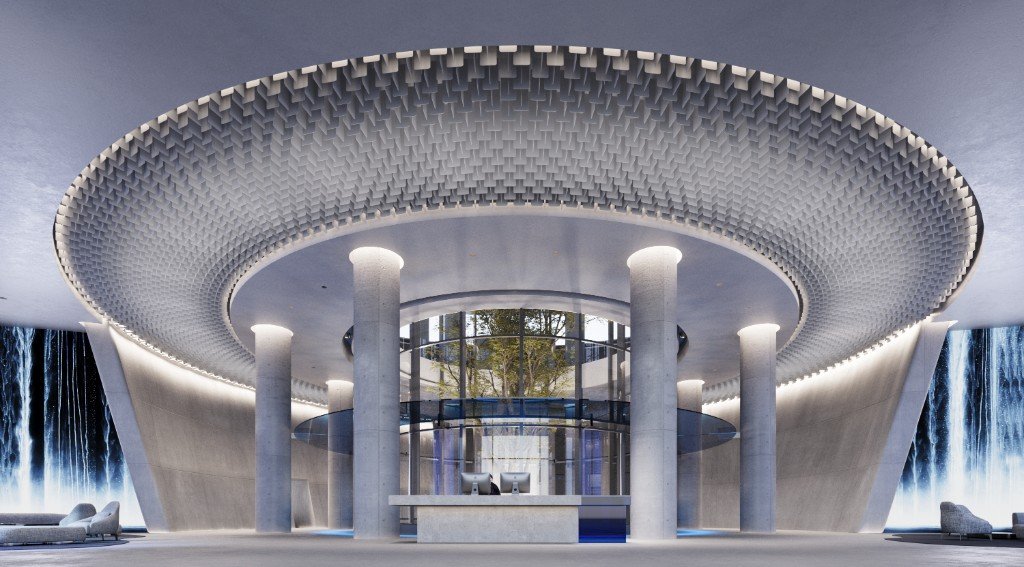
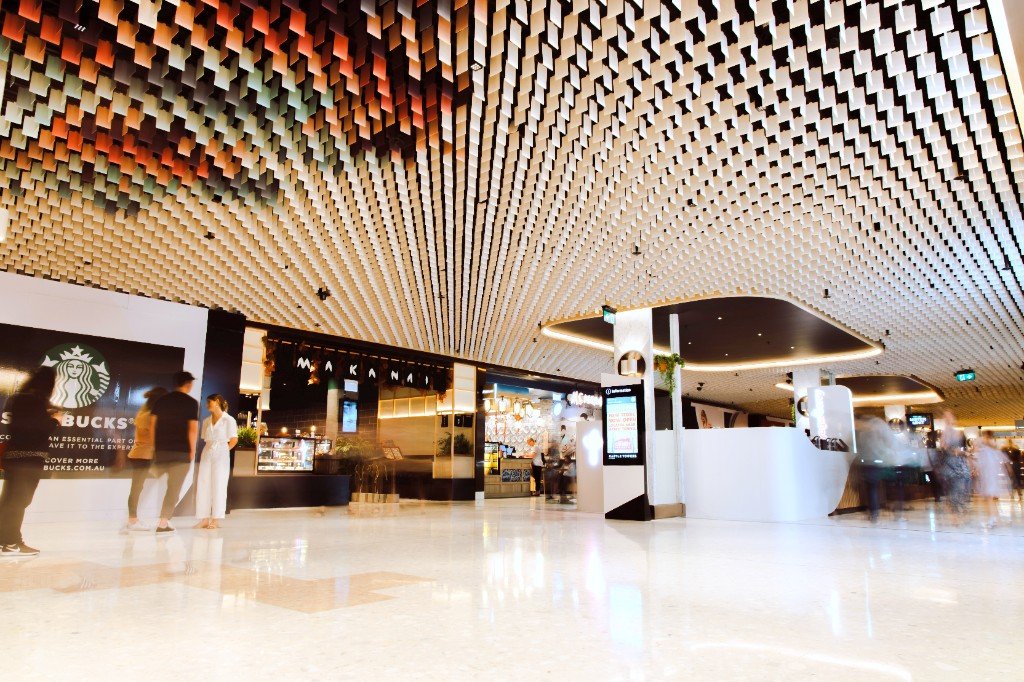
The ceiling in this photograph is linear, with a wood-look face. White ribs branch across the slats, and a perforated panel is lit from behind in a leaf pattern. The building is not named here. Nothing in the frame is a ball striking a lay-in tile, and these slats are not a 600 mm acoustic tile.
High-traffic selection starts with what actually touches the ceiling: a ladder, a cleaning wand, a trolley, or a ball. Mineral fiber shows that as a crushed corner or a stain. Aluminum shows it as a dent or a tile that has left the tee. LINDELACR folds the indoor tile at 0.6–0.8 mm in a 20,000 m² Foshan plant. The path is scan, CAD, CNC, then the brake. Alloy 1100 is the simple dry room. 3003-H14 is the step when the return of 20–25 mm has to stay flat. Powder on that interior is AAMA 2604, one lot.
Name the sheet and the edge before the sound number
| What the drawing should name | Mineral-fiber lay-in | LINDELACR indoor aluminum |
|---|---|---|
| Sheet | A board that can soften when damp | 0.6–0.8 mm. Alloy 1100 in a simple dry room; 3003-H14 when the return has to stay flat |
| Edge | A cut or wrapped edge that chips | Return typically 20–25 mm, formed on the brake before powder |
| Coating, dry interior | A face that stains | Powder to AAMA 2604, one lot |
| Sound | Ask for the product test | No NRC published. Holes and backing are on the drawing |
| A knock or a ball | Corners crush | 0.6–0.8 mm is not a ball-impact rating. Name a heavier gauge if the bay is a gym |
| Replacement | The stained board is discarded | One module comes down if the opening and the edge match |
Read the sound row before you copy a number from a brochure. LINDELACR does not publish an NRC or a CAC. A perforated face is not a rating until the hole pattern, the open area, and any backing are on the drawing. Why that face is still not a test result is in acoustic ceiling tiles for a T-bar grid.
Fire is a separate line. Impact resistance is not a surface-burning document. Ask for the test the jurisdiction names, for the tile and for any backing. Do not treat a tough edge as that document. A pool and a commercial kitchen are not this powder spec. Those rooms need the coating and the gauge written for wet air, not a classroom tile moved across.
A busy corridor is often not a tile
The passage at Baiyun is a U-baffle
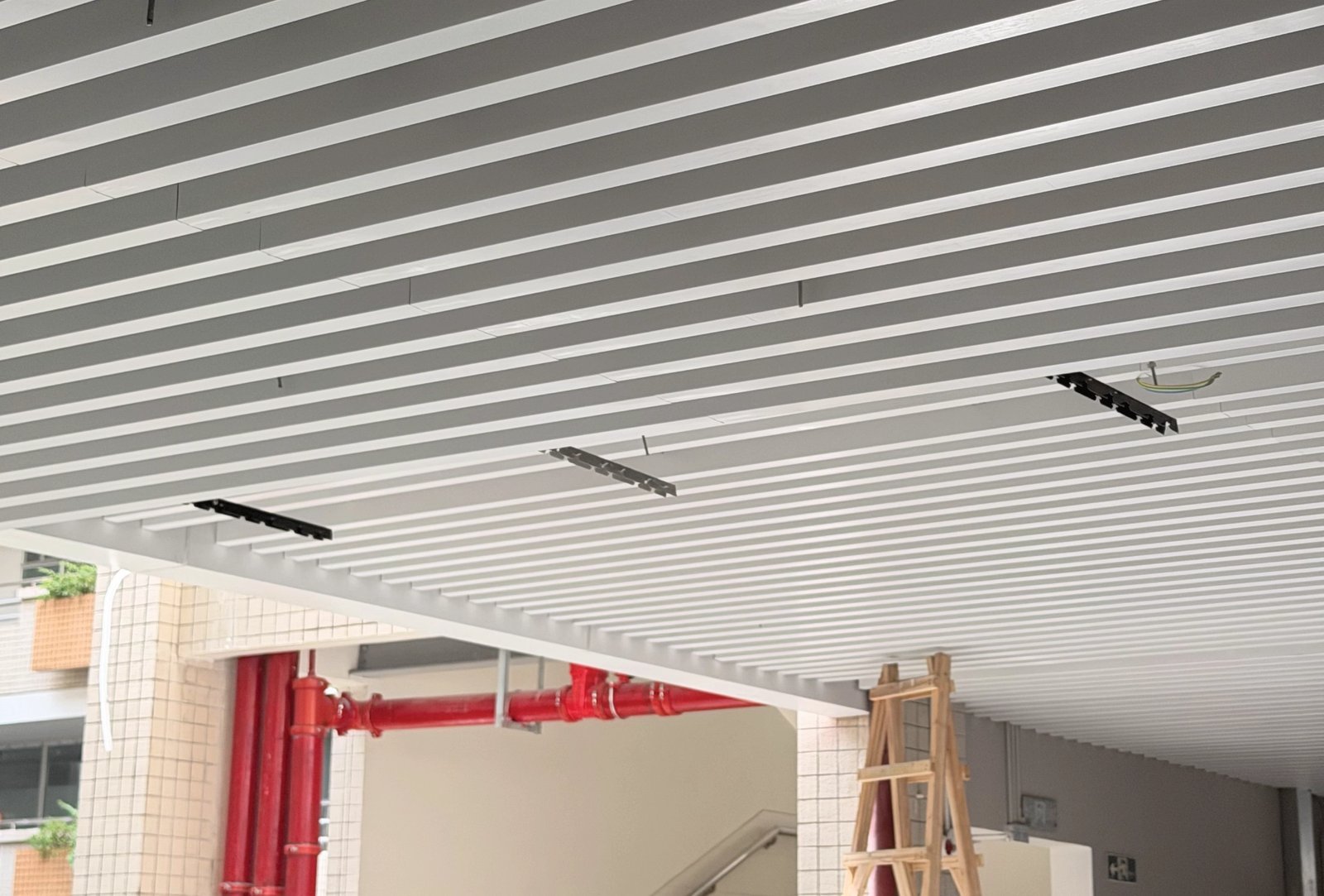
The open side of the same teaching building is powder-coated U-baffles, not the micro-perforated lay-in in the room. The baffles run the length of the passage. Carriers and a fire main sit at the edge, where a person on a ladder can reach them. Foot traffic here is constant. The ceiling people walk under is metal that can be wiped, and a single baffle that can be unclipped.
Do not specify a lay-in tile for this bay because the word acoustic was on the room next door. The module, the carrier, and the clip are different. A mineral-fiber tile in an open passage also takes rain blow and cleaning water that a closed teaching room does not. Aluminum does not soak that water up. The baffle is the product on this drawing, not a 24 inch tile.
The hold-down is what a knock actually meets
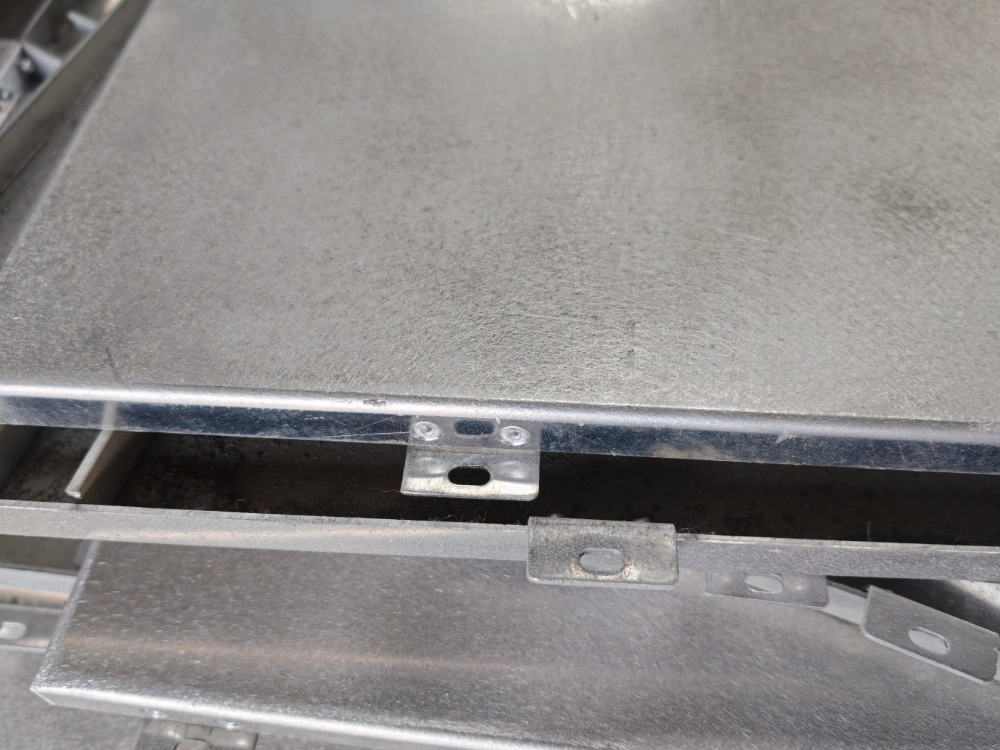
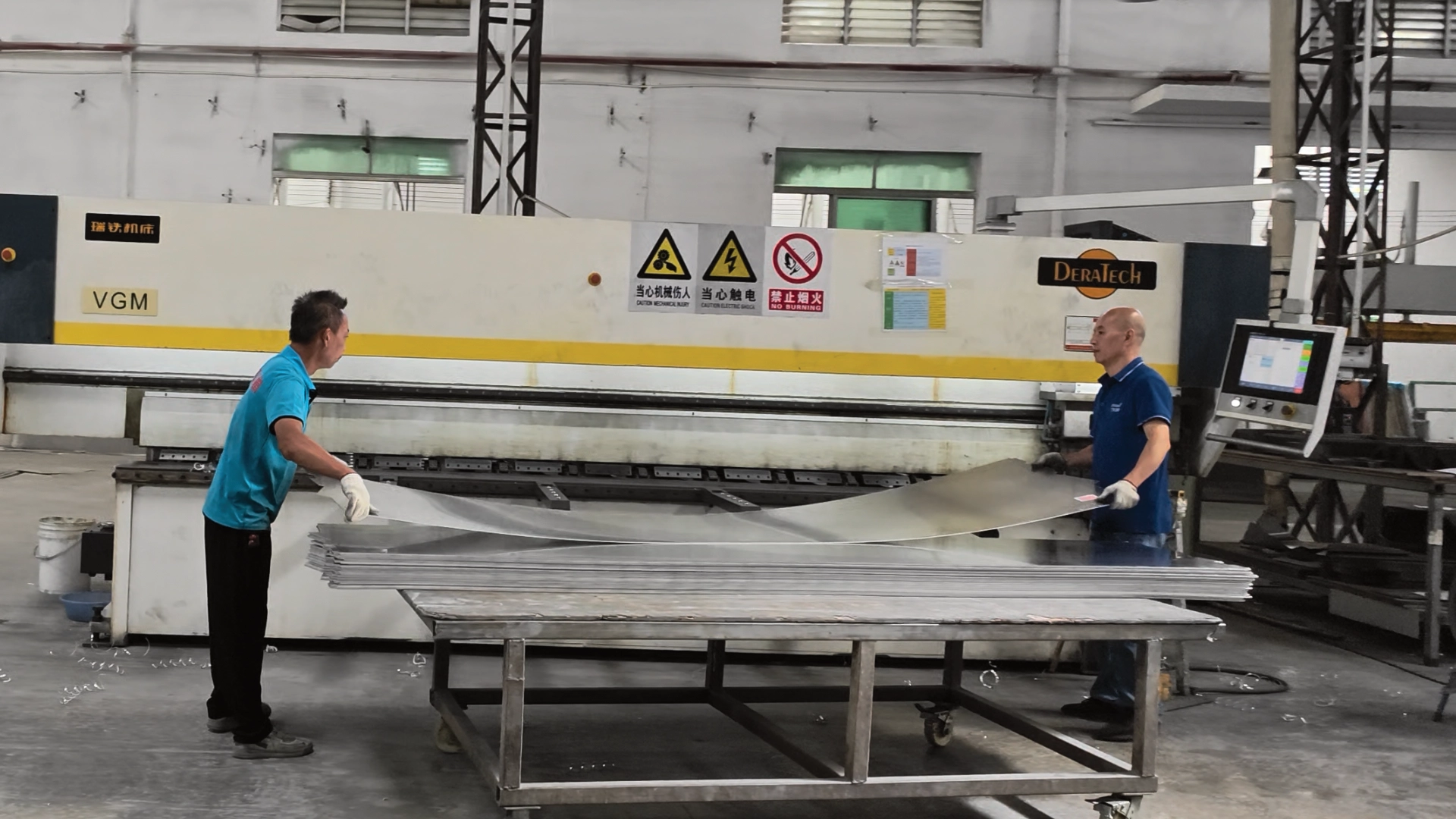
These cassettes are still mill finish, in the shop. Corner brackets are fixed along the return. That is the part a bump meets after the face: the fold, then the clip, then the tee or the carrier. A shallow return on a light sheet oil-cans. A bracket that is missing lets the module walk out of the grid when something hits it. The photograph does not show a gauge stamp. Indoor tile from LINDELACR stays 0.6–0.8 mm unless the drawing names otherwise. The return is typically 20–25 mm, formed before powder.
A gym is the drawing that has to say otherwise. Ball strikes are not covered by the classroom gauge. Name a heavier sheet and how the module is held down, or do not call the tile impact resistant. LINDELACR does not publish a ball-impact number, and this bracket photo is not that test.
Access is part of the spec in a busy room
High traffic also means the detector, the light, and the filter get worked on while the building is open. A lay-in comes down as one piece when the opening and the edge match. A clip-in comes down when the clip matches. A stained mineral-fiber tile is discarded. An aluminum module goes back if the spare is the same opening and the same powder lot. A later white lot shows on the field. The check is the same one in replacing an acoustic ceiling tile.
Count the bays that maintenance will open, not a slogan about durability. Mark square or tegular, the tee face, and 600 × 600 mm or 600 × 1200 mm if the grid is metric. A 24 inch module is not 600 mm. The Foshan nest already includes the lights. Do not cut a finished return on site and expect the clip to seat.
Frequently asked questions
Is a high NRC the same as an impact-resistant ceiling tile?
No. NRC describes absorption in a test. It does not describe a dented corner or a tile that comes out of the tee. LINDELACR does not publish an NRC. Specify the sheet, the return, and how one module comes down.
Are metal acoustic tiles tougher than mineral fiber in a corridor?
A mineral-fiber tile softens when it stays damp and shows a stain. Aluminum at 0.6–0.8 mm does not soak that moisture up. It can still dent if the return is shallow. The corridor at Guangzhou Baiyun University is powder U-baffles, not a lay-in tile.
Can a 0.6–0.8 mm aluminum tile be specified for a gym?
Not from this classroom spec. A 0.6–0.8 mm lay-in is the dry-room tile, return typically 20–25 mm. A bay that takes ball strikes needs the drawing to name a heavier gauge and a hold-down. LINDELACR does not publish a ball-impact rating.
What has to match when one high-traffic tile is replaced?
The opening, the edge, and the powder lot. A later white lot shows beside the field. One aluminum module comes down whole. How that match works is the same check used when any acoustic tile is replaced.
Send the room, not a sound slogan
Mark the module, square or tegular, and whether the bay is a dry teaching room, an open corridor, or a gym. LINDELACR folds a 0.6–0.8 mm tile in Foshan for the dry room, return 20–25 mm, powder to AAMA 2604. A gym has to name a heavier gauge. No NRC is attached to the quotation.