Is a Metal Ceiling the Same Thing as a Drop Ceiling?
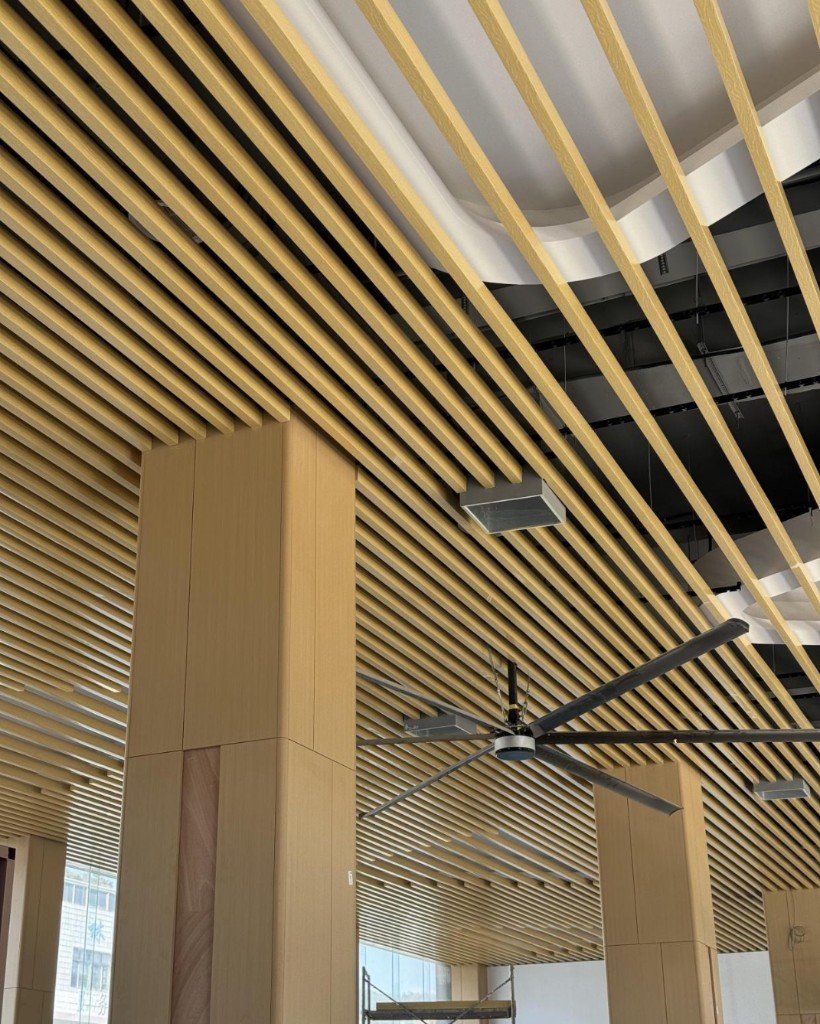
A metal ceiling can stay in the tee or leave it. Lay-in replaces the mineral-fiber tile. Clip-in, baffle, and open cell need a new carrier. 0.6–0.8 mm.

A metal ceiling can stay in the tee or leave it. Lay-in replaces the mineral-fiber tile. Clip-in, baffle, and open cell need a new carrier. 0.6–0.8 mm.
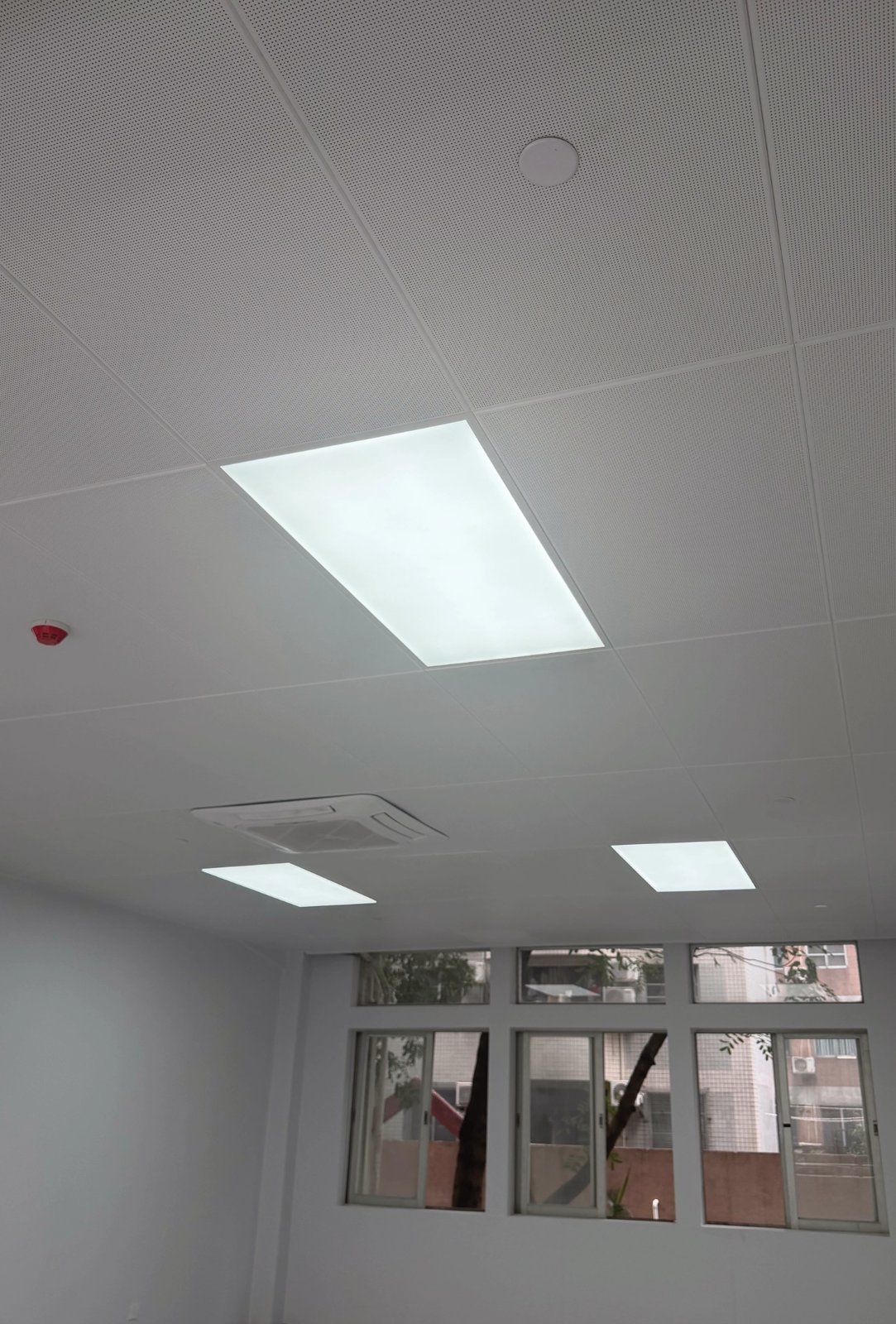
An acoustic T-bar tile is 0.6–0.8 mm perforated aluminum plus a backing. The NRC is the lab report for that hole and plenum, not the metal alone.
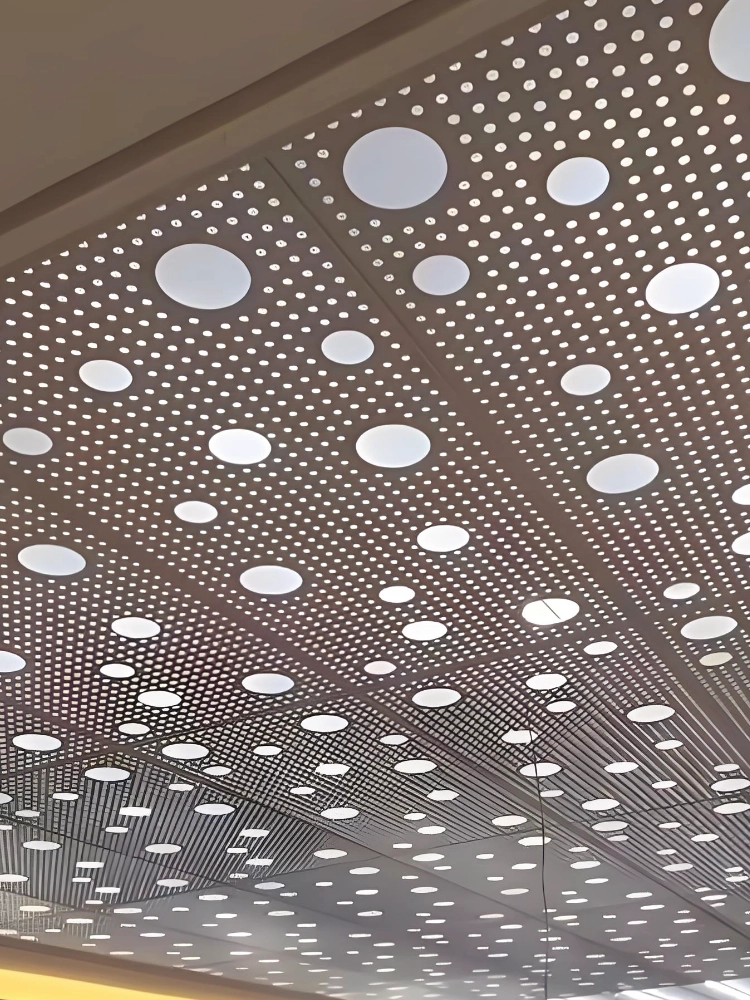
Wood ceiling vs metal drop ceiling: cost follows access. A 0.6–0.8 mm lay-in or clip-in opens one module; timber spares rarely match. Ask Foshan.
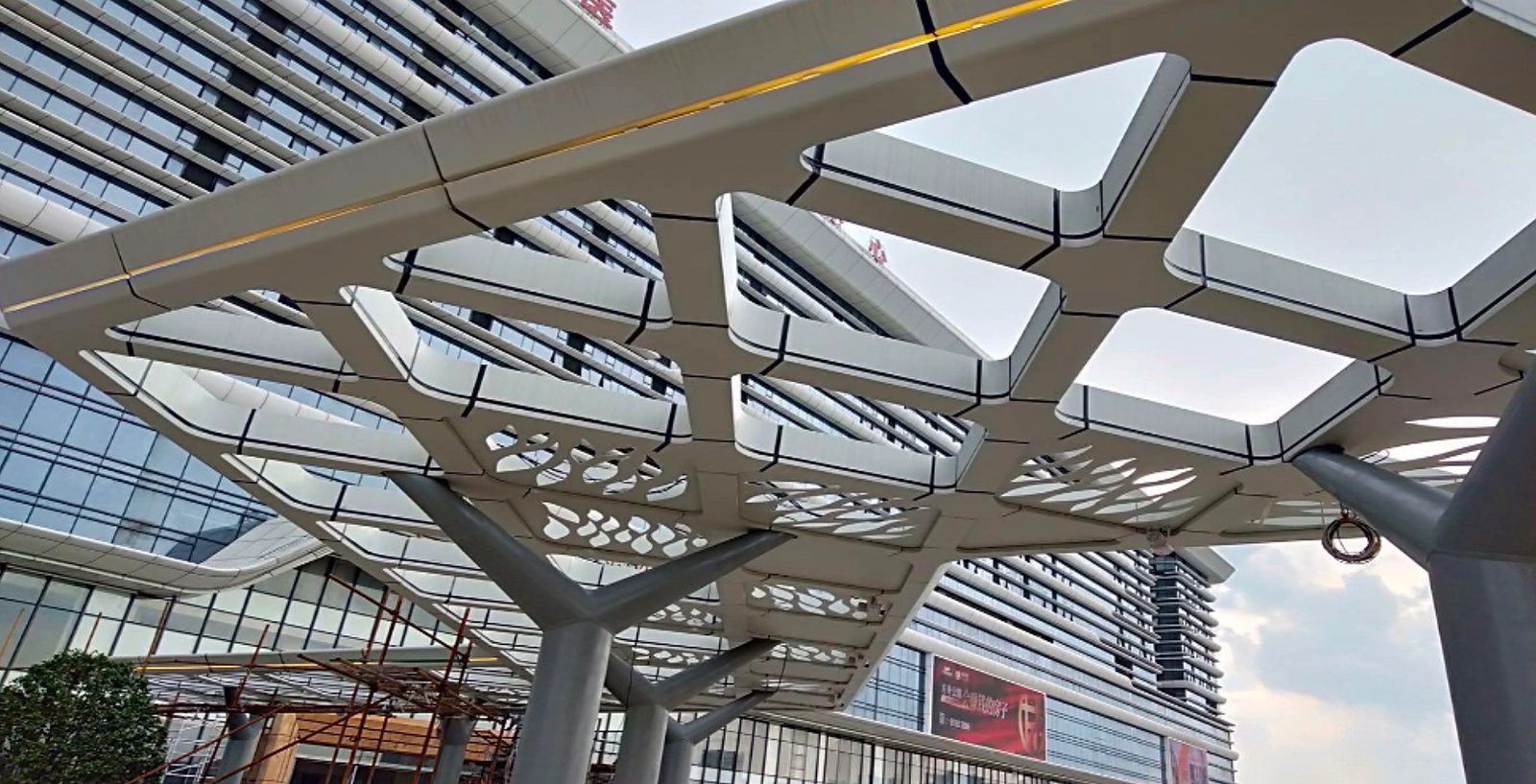
Specify outdoor ceilings as a retained system: 2.0–3.0 mm 3003-H14, 20–25 mm folds, PVDF AAMA 2605 ≥ 30 μm. Send the RCP and zone pressures to Foshan.
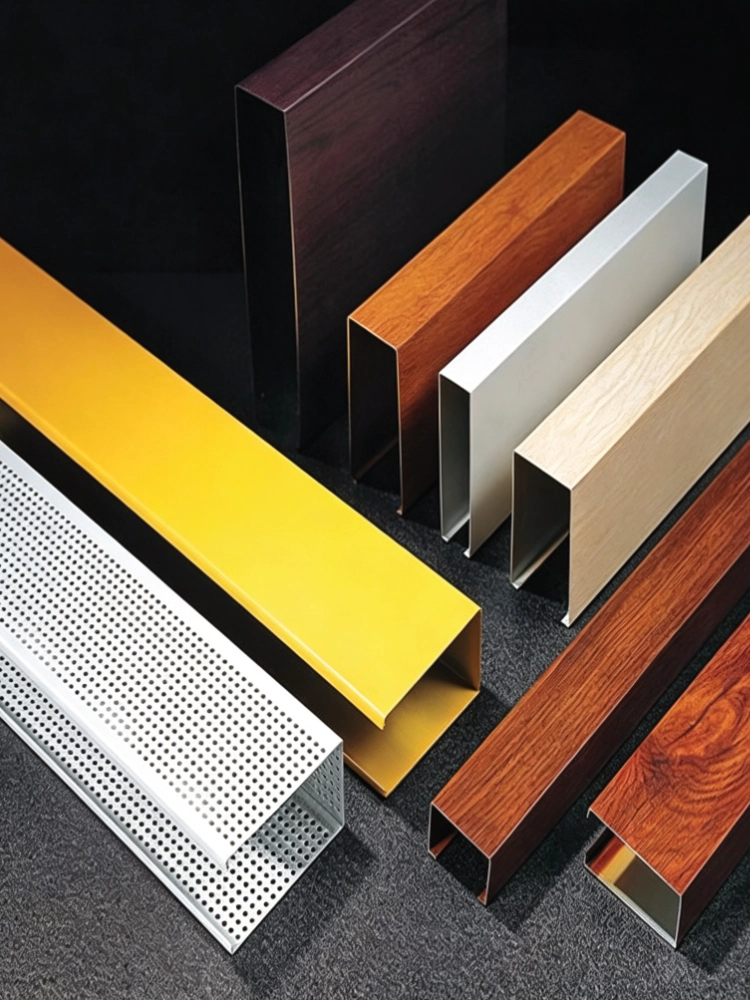
Wood-grain aluminum, not timber: 0.6–0.8 mm indoor baffles, 2.0–3.0 mm 3003-H14 soffits, PVDF AAMA 2605 ≥ 30 μm. Ask Foshan for one lot chip.
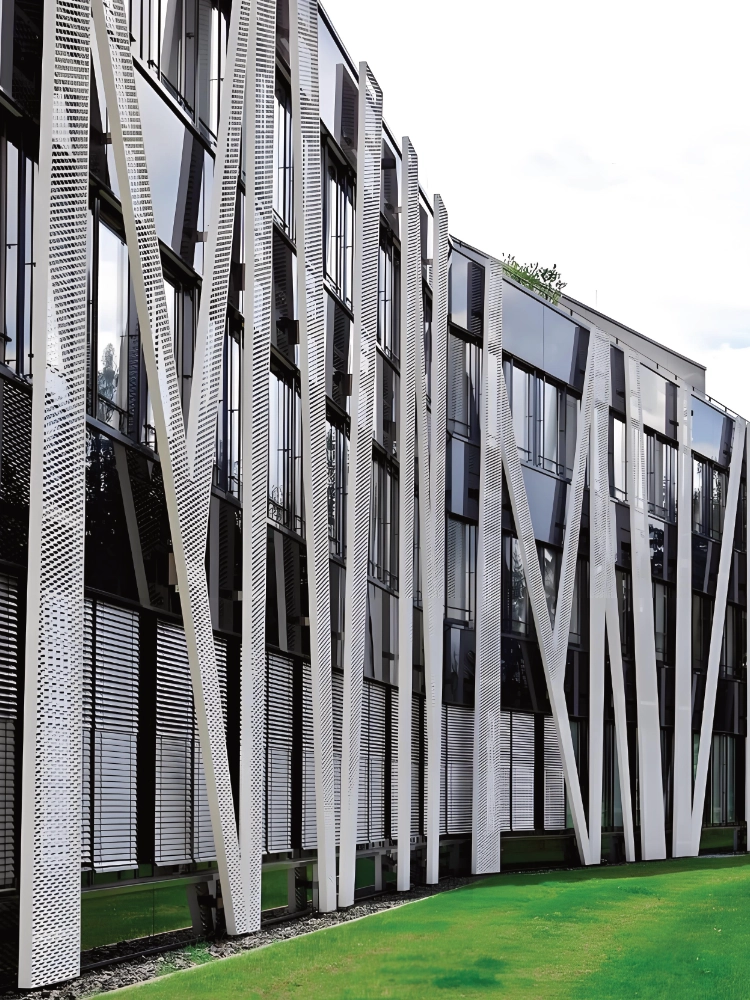
Reclad an aging commercial wall with 2.0–3.0 mm 3003-H14: hang shop-welded frames, CNC-perforate the face, PVDF AAMA 2605 ≥ 30 μm. Request a split.
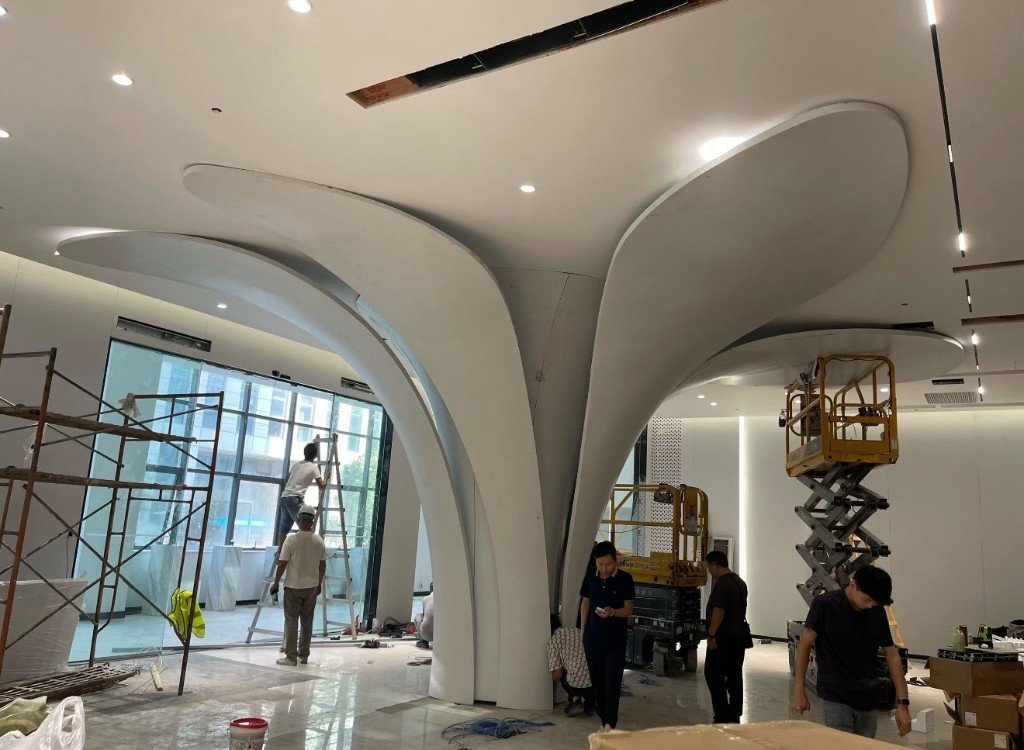
Find a facade partner who panelizes in 3D, then CNC-cuts 2.0–3.0 mm 3003-H14 and folds in one Foshan plant. Ask for the scan-to-cassette chain.
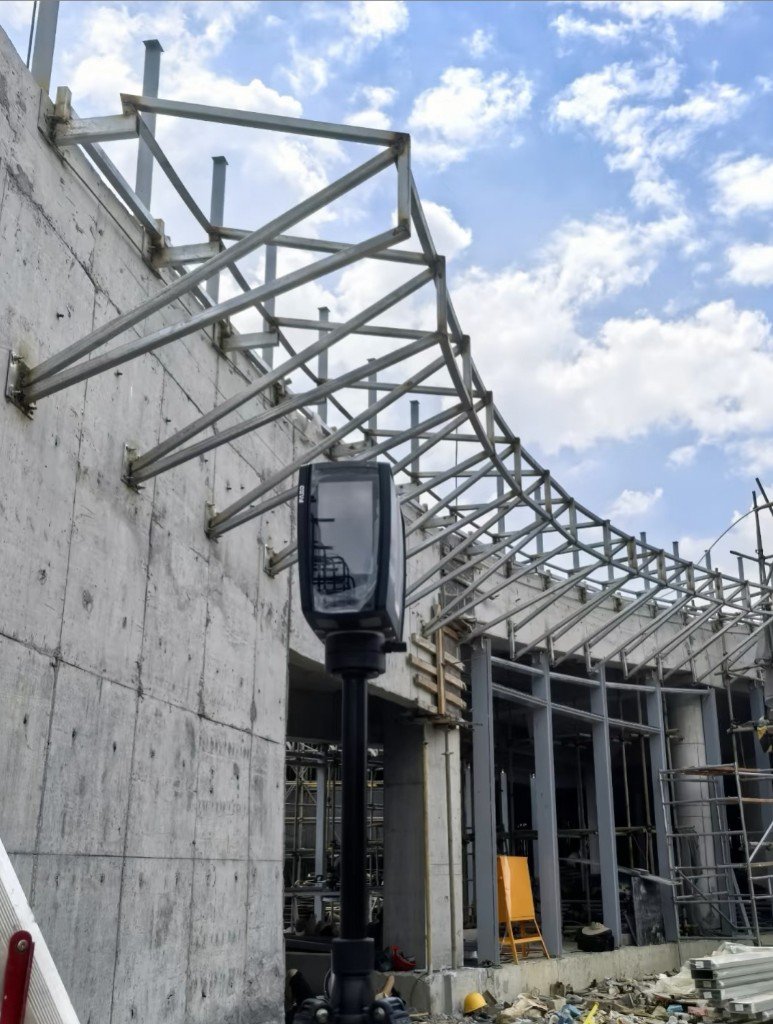
Metal facade true to the drawing: scan the structure, lock a shop-drawing section, CNC 2.0–3.0 mm 3003-H14 in Foshan, fold returns before the lift.
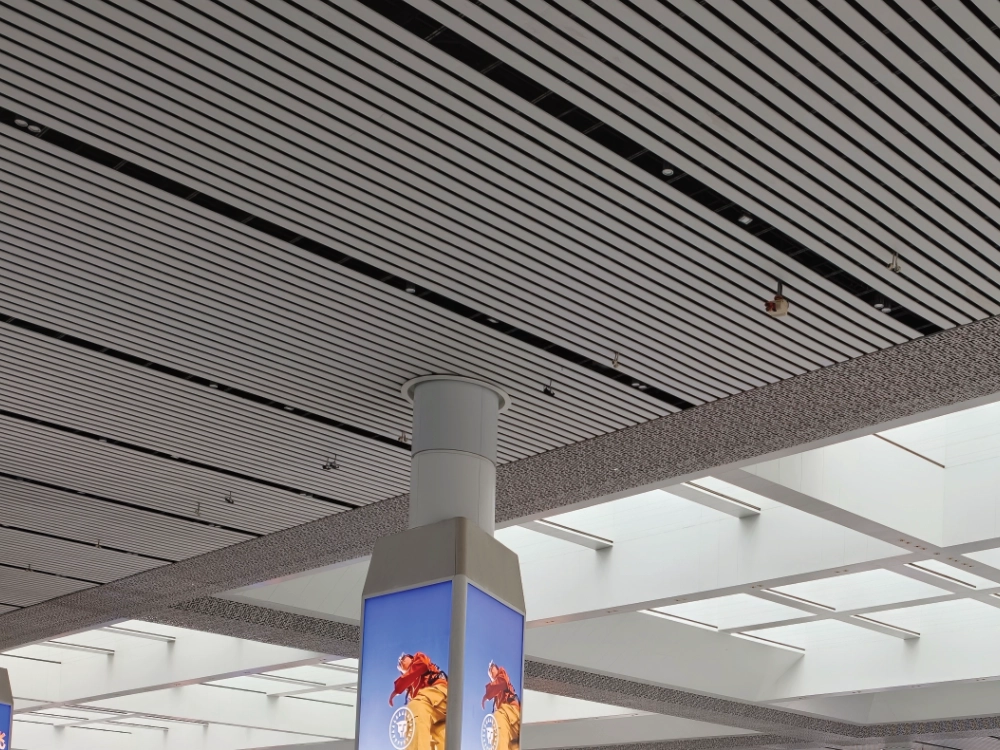
Stretch ceiling vs drop ceiling for commercial work: PVC membrane vs 0.6–0.8 mm aluminum you can unclip. Specify access, lights, and NRC from the RCP.

